
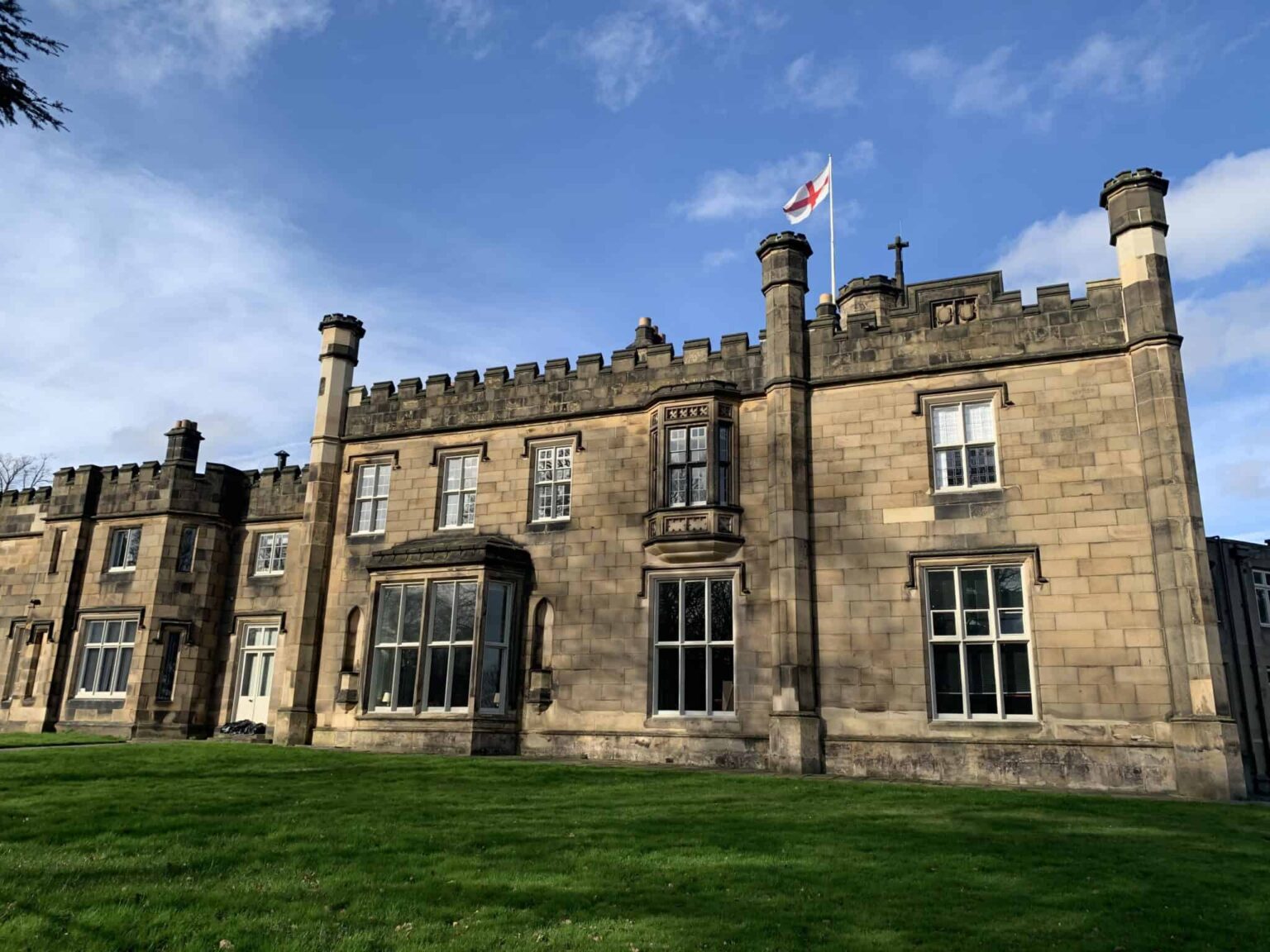
Planning permission has been granted for the change of use of Banner Cross Hall on Ecclesall Road South, Sheffield, from offices to education use.
The approval allows Nexus Multi Academy Trust to use the Grade II listed building as Hallamshire Academy, a specialist school for children with learning difficulties and special educational needs. The permission also includes the installation of fencing and gates to support the safe operation of the school site.
For Planning & Design Practice, the project required a careful balance. The planning case had to show why the new education use was appropriate in this location, while also demonstrating that the heritage significance of Banner Cross Hall and its listed terrace wall had been properly understood.
Bringing a historic building into positive community use
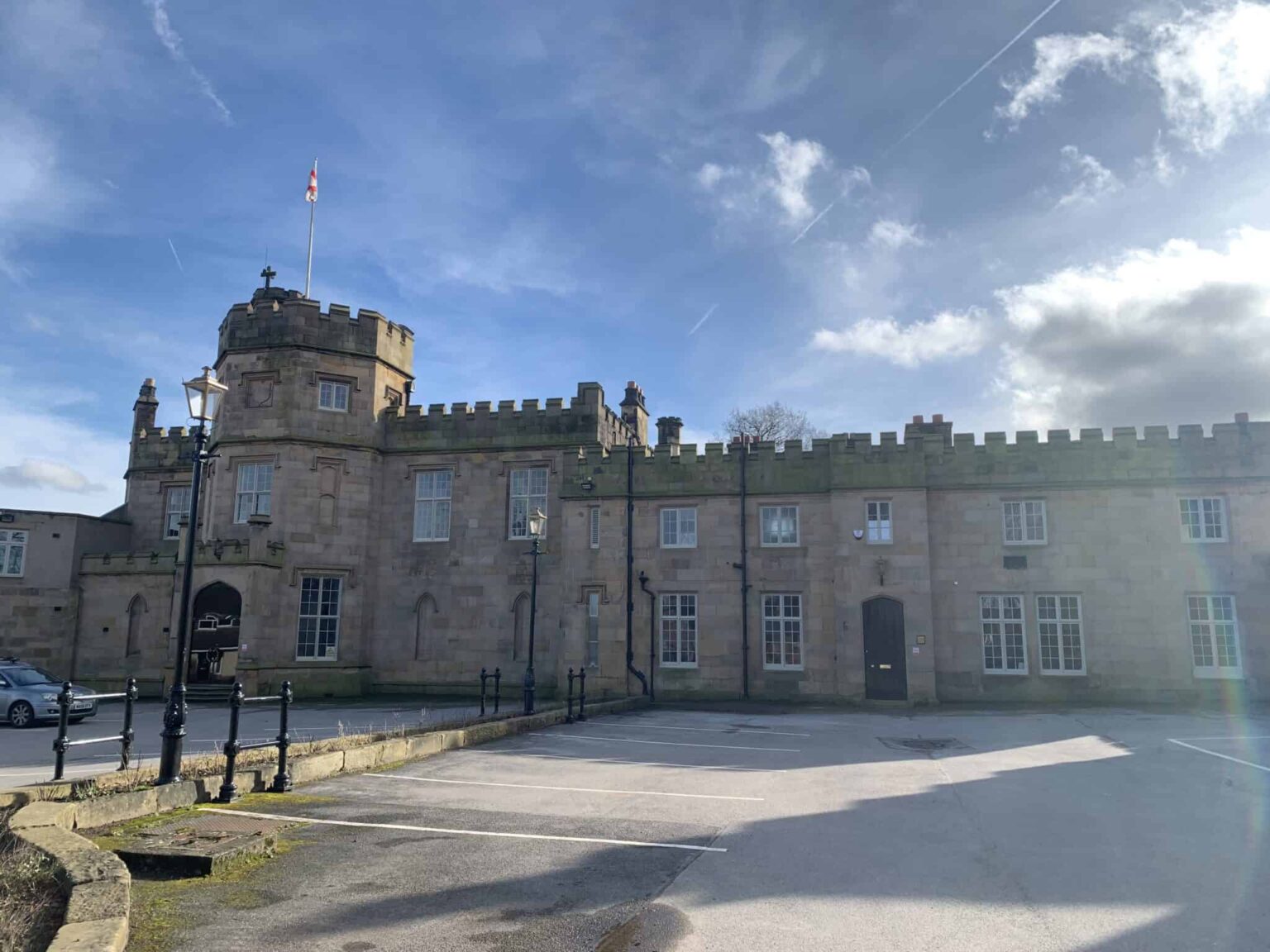
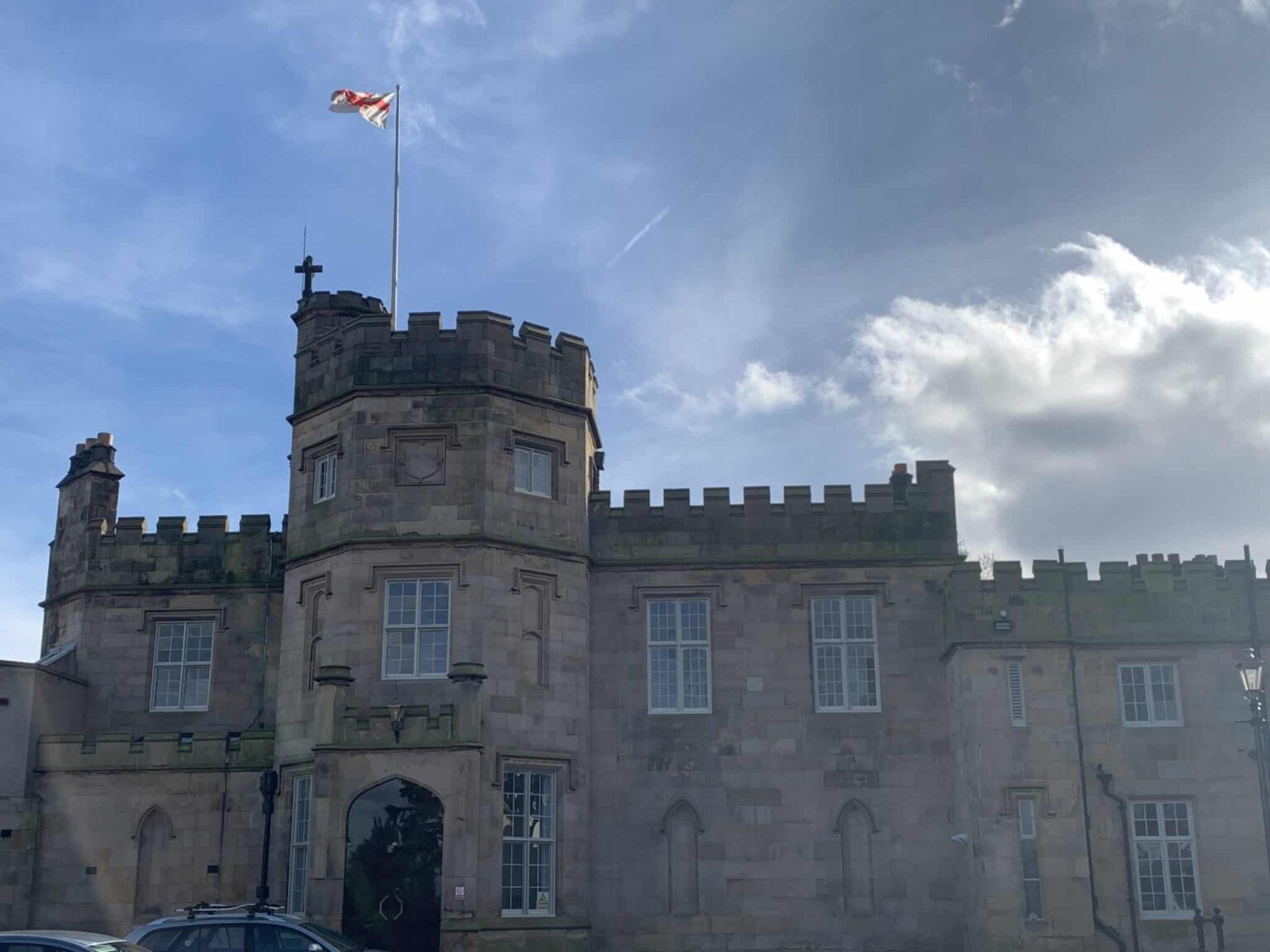
Banner Cross Hall is a Grade II listed building with a long history and a prominent position within its landscaped grounds. The terrace wall to the south and east of the hall is also Grade II listed.
Although the site is not within a conservation area, its heritage sensitivity was central to the planning application. The submitted Planning and Heritage Statement set out the significance of the hall, its setting, and the listed terrace wall, before considering how the proposed education use and associated fencing would affect that significance.
The change of use itself was considered to be a good fit for the existing building. Banner Cross Hall had been in office use, and many of the practical requirements of that use, including room layouts, circulation, toilets, kitchen areas and general facilities, were compatible with an education use. This meant the building could be adapted for the proposed school without the type of extensive alteration that might have been needed for other uses.
That was an important part of the planning argument. Reusing a listed building in a way that works with its existing layout can help secure its long term future while limiting harm to its character.
Supporting specialist education provision in Sheffield
The approved school use will provide specialist education for up to 56 children. The Planning and Heritage Statement explained the growing demand for special educational needs provision in Sheffield and the wider need for suitable education facilities for children with Education, Health and Care Plans.
The application site is also in a sustainable location, close to Banner Cross local centre and served by bus routes along Ecclesall Road South. Existing parking and access arrangements within the site meant that the school use could be considered alongside highways, drop off and staff travel requirements.
Sheffield City Council granted planning permission subject to conditions. These include a cap of 56 children, operating hours of 07:30 to 18:30 Monday to Friday only, and the submission and implementation of a Traffic Management Plan before the school is brought into use.
The Traffic Management Plan condition requires details of how drop off and collection will be safely managed so vehicles do not queue on Ecclesall Road South, along with traffic management signage and the provision of two disabled parking spaces.
A sensitive approach to safeguarding and fencing
One of the most important issues in the application was the proposed fencing.
For a specialist school, safeguarding is essential. The site includes grounds, steep level changes and woodland to the south, so a secure boundary around the immediate school area was needed to help staff monitor movement and keep pupils safe.
However, fencing also had the potential to affect the setting of the listed hall and listed terrace wall. The submitted Planning and Heritage Statement therefore considered different fencing options before identifying the least harmful approach.
Decorative spire style railings fixed to the wall were discounted because they would disturb historic fabric and raise safeguarding concerns. Freestanding fencing on the top side of the wall was also discounted because it would be more visually prominent in views from the hall across the grounds.
The preferred option was freestanding black v mesh fencing positioned closely behind the wall on the lower side. This avoided fixing into the listed wall, allowed the fencing to appear more recessive against vegetation, and kept the intervention reversible.
This was a practical example of heritage led problem solving. The safeguarding need was real, but the final strategy was shaped to reduce harm and respect the historic setting as far as possible.
How the planning case was made
Planning & Design Practice prepared the Planning and Heritage Statement for the application, setting out the policy context, planning history, heritage assessment and key planning issues.
The submission explained why the principle of education use was acceptable, particularly in the context of community facility policy, the need for SEN provision, the site’s existing office use and the opportunity to secure an active use for a listed building. This is the kind of early strategy and evidence led approach that sits at the heart of our planning services.
It also addressed heritage impact, highways, noise, trees and wider site management. The application was supported by a wider pack of drawings and technical documents, including existing and proposed floor plans, fencing plans, a flood risk assessment, arboricultural information and supporting evidence.
The decision notice includes conditions covering traffic management, tree protection, cycle parking, bin storage, replacement tree planting and external plant or equipment. These conditions reflect the practical issues that need to be managed as the project moves from permission into delivery.
A positive outcome for education and heritage
The approval is a positive outcome for Nexus Multi Academy Trust, for future pupils and families, and for the long term use of Banner Cross Hall.
It shows how listed buildings can continue to serve modern community needs when proposals are carefully prepared, proportionate and grounded in a clear understanding of heritage significance.
For applicants, landowners, schools and public bodies, the project is also a useful reminder that sensitive sites are not necessarily closed to change. The key is to understand the constraints early, test practical options, and present the planning benefits and impacts in a clear, evidence based way.
How Planning and Design Practice can help
Planning and Design Practice is a multi disciplinary team of chartered town planners, architects, architectural assistants and heritage specialists. We support education, community, heritage and change of use projects from early strategy through to submission and decision, keeping proposals clear, proportionate and deliverable. You can also explore our wider planning and design services.For a free, no obligation consultation, contact Planning and Design Practice on 01332 347371 or enquiries@planningdesign.co.uk.