Masterplanning
Strategic urban design input for larger sites, long-term place vision and coordinated development frameworks.
Services
Urban design advice shaped around context, movement, character and deliverability. We help create outward-looking, inclusive and well-considered places, from residential urban extensions and strategic sites through to regeneration, redevelopment and development frameworks, combining planning understanding with strong design thinking.

Managing Director – Chartered Town Planner
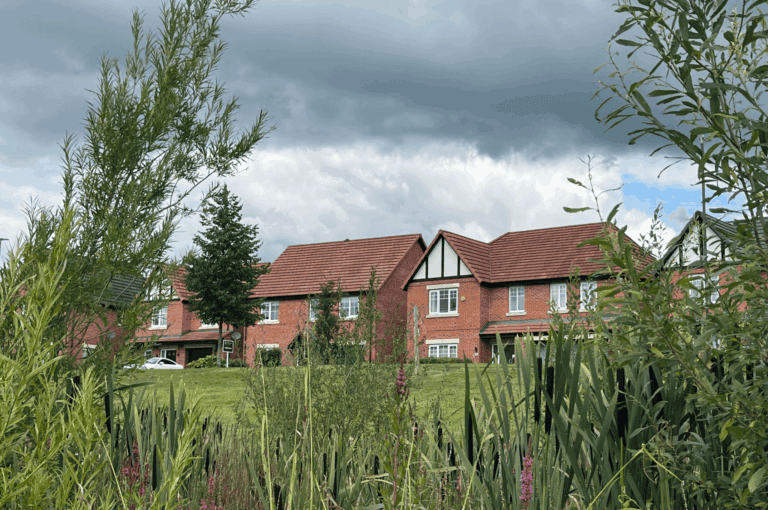
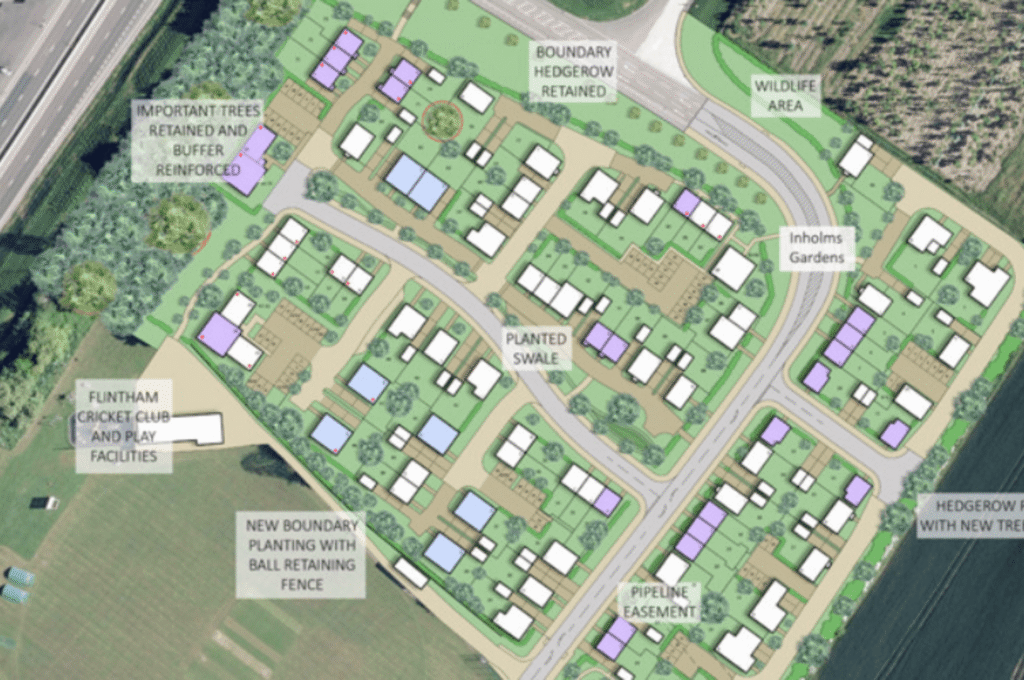
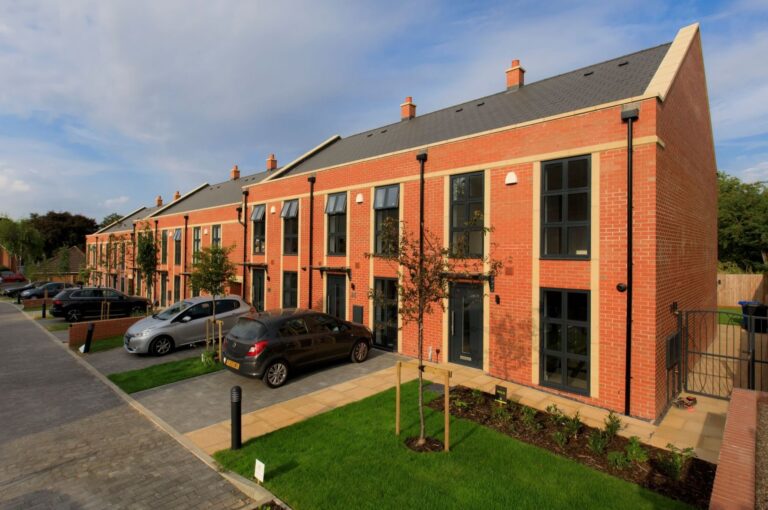
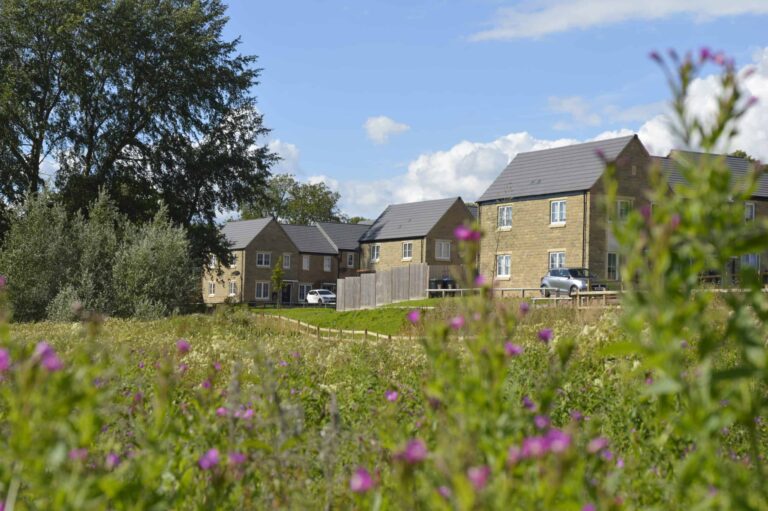
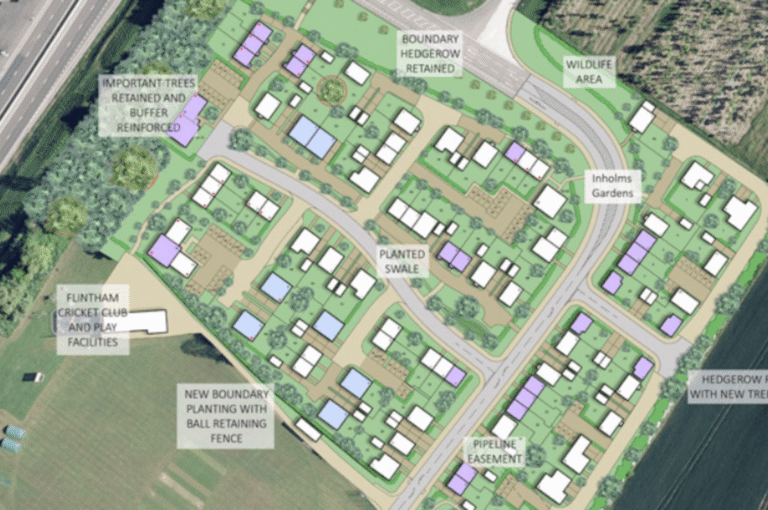
Urban design is about shaping places that work well for the people who use them and respond positively to their surroundings. It sits at the point where planning, architecture, landscape, movement and long-term place quality come together, helping ensure development is not just technically deliverable, but coherent, outward-looking and well integrated.
Our urban design work ranges from masterplanning and strategic residential layouts through to regeneration, redevelopment and development frameworks. We help clients think clearly about how a place should function, how it should feel, and how proposals can be shaped in a way that is more likely to secure support and create long-term value.
Because we work alongside planning, architecture and heritage specialists, our urban design input is joined up from the outset, helping clients move from early concepts through to more resolved and deliverable proposals.
Our urban design services focus on shaping places that are coherent, well connected and more likely to secure support as they move through planning and design development.
Strategic urban design input for larger sites, long-term place vision and coordinated development frameworks.
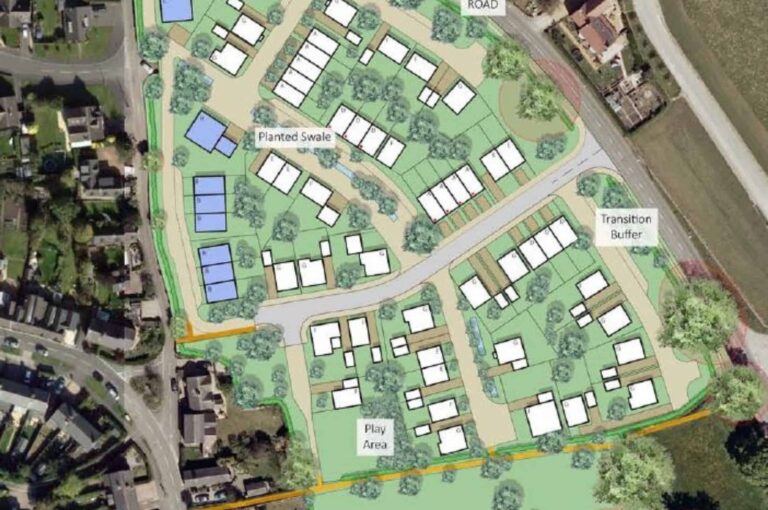
Urban design support for larger residential-led sites, outline proposals and growth at the edge of existing settlements.
Design thinking around movement, streets, frontages, green space and the wider experience of a place.
Urban design advice for redevelopment, regeneration and sensitive urban change in existing places.
Structured guidance to help shape consistent, legible and high-quality development.
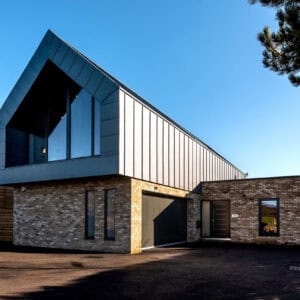
Support for strategic sites, residential schemes and development proposals where layout, movement, place quality and planning deliverability all need to work together.
Urban design input for civic, public-realm and policy-led projects where long-term place quality and public value are central.

Useful where domestic proposals sit in sensitive settings or where design, context and character need particularly careful consideration.
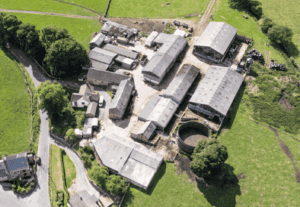
Support where larger rural or edge-of-settlement proposals need to balance site opportunity with landscape, access and settlement character.
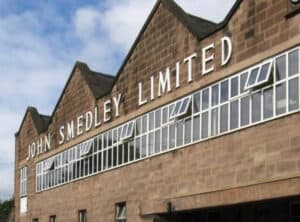
Urban design advice for redevelopment, mixed-use and urban regeneration projects where place-making and integration are key.
How we work
Urban design works best when early ideas are given a clear structure and tested against the realities of the site.
Our approach starts with understanding how a place connects, functions and sits within its surroundings, then develops that into a stronger framework for layout, movement, character and long-term quality.
Understanding the brief
We begin by understanding the site, the brief and the wider place it sits within
Review constraints and opportunity
We assess planning context, movement, setting and the issues most likely to shape the design approach.
Shape the place strategy
We help clarify layout, movement, land use and the wider principles that should guide the proposal.
Develop the design response
We support the development of a clearer urban design response, from concept through to more resolved frameworks or layouts.
Support the next stage
We remain involved as proposals progress into planning, architecture or wider design development.
Urban design support for larger housing-led proposals where movement, open space, frontage and settlement integration need to be considered from the outset.
Place-led frameworks for longer-term development, helping shape how land is structured, phased and connected.
Design input for projects extending existing settlements, where integration, access, character and landscape edges are key.
Urban design thinking for redevelopment sites and areas of change, helping create proposals that feel more coherent and outward-looking.
Structured design guidance to support consistency, legibility and a stronger long-term vision for development.
Support for sites where heritage, landscape, civic setting or surrounding character all influence how a place should be shaped.
Urban design that starts with how a place should work, feel and connect, not just how it looks on plan.
Advice shaped alongside planning, architecture and heritage considerations from the outset.
A careful approach to how proposals sit within existing settlements, landscapes and urban fabric.
Urban design thinking grounded in planning reality, movement, viability and long-term place quality.
Urban design is about shaping places, not just buildings. It brings together layout, movement, public realm, character and long-term place quality to help create coherent and well-functioning environments.
No. While urban design is often associated with larger residential or strategic sites, it can also add value to redevelopment, regeneration and more sensitive place-based proposals.
Architecture usually focuses more directly on individual buildings, while urban design looks at how buildings, streets, spaces, movement and land uses work together at the scale of a place or wider site.
Yes. A stronger urban design response can often help clarify how a proposal fits its setting, functions as a place and responds to policy expectations around design quality and integration.
Yes. Our urban design input is often most effective when it works alongside wider planning, architectural and heritage advice.
We support work ranging from masterplanning and strategic residential layouts through to redevelopment, regeneration and development framework projects.
Your next step
Whether you are shaping a strategic site, reviewing a layout or exploring a place-led development opportunity, we can help clarify the next step.