


Extension to Italian Villa in Derbyshire Dales
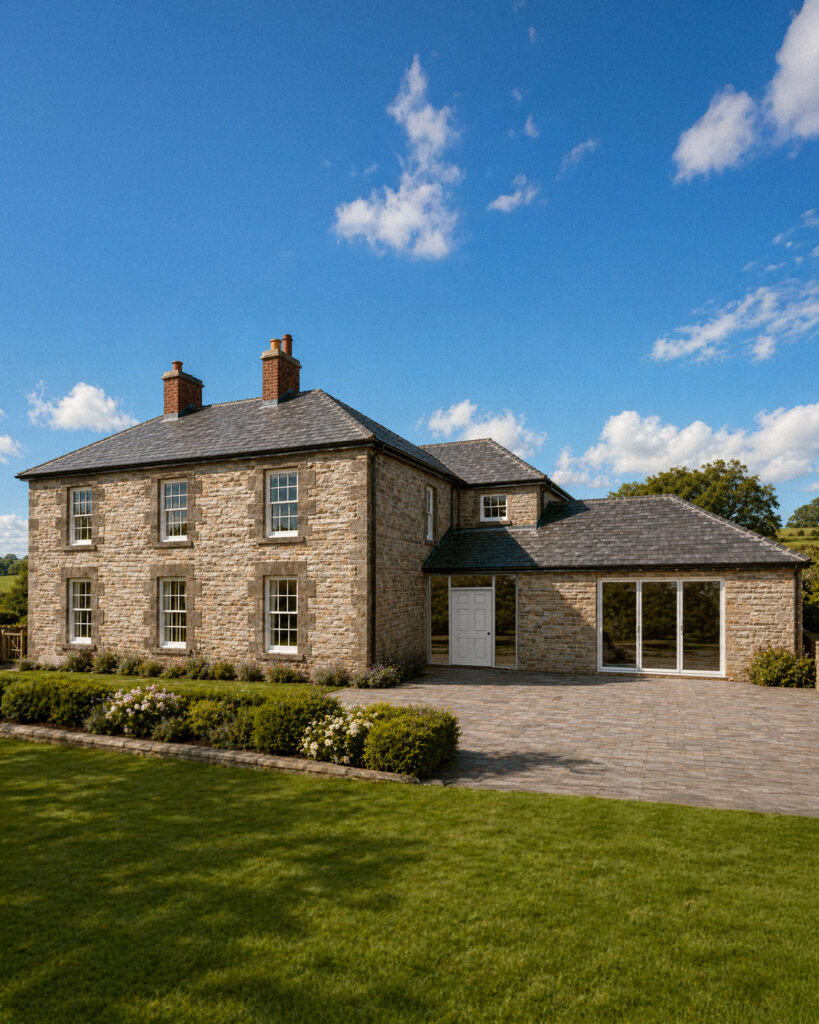
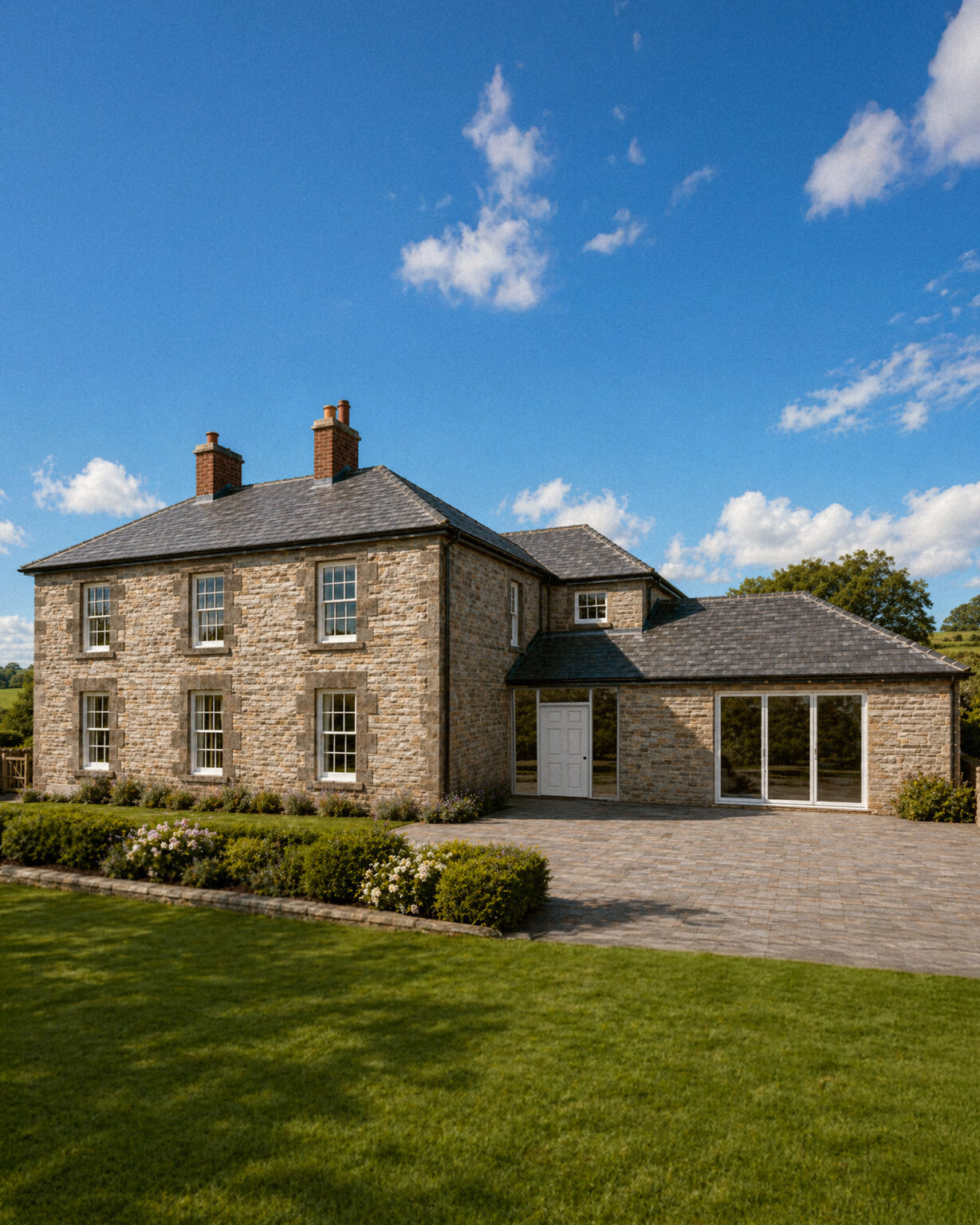
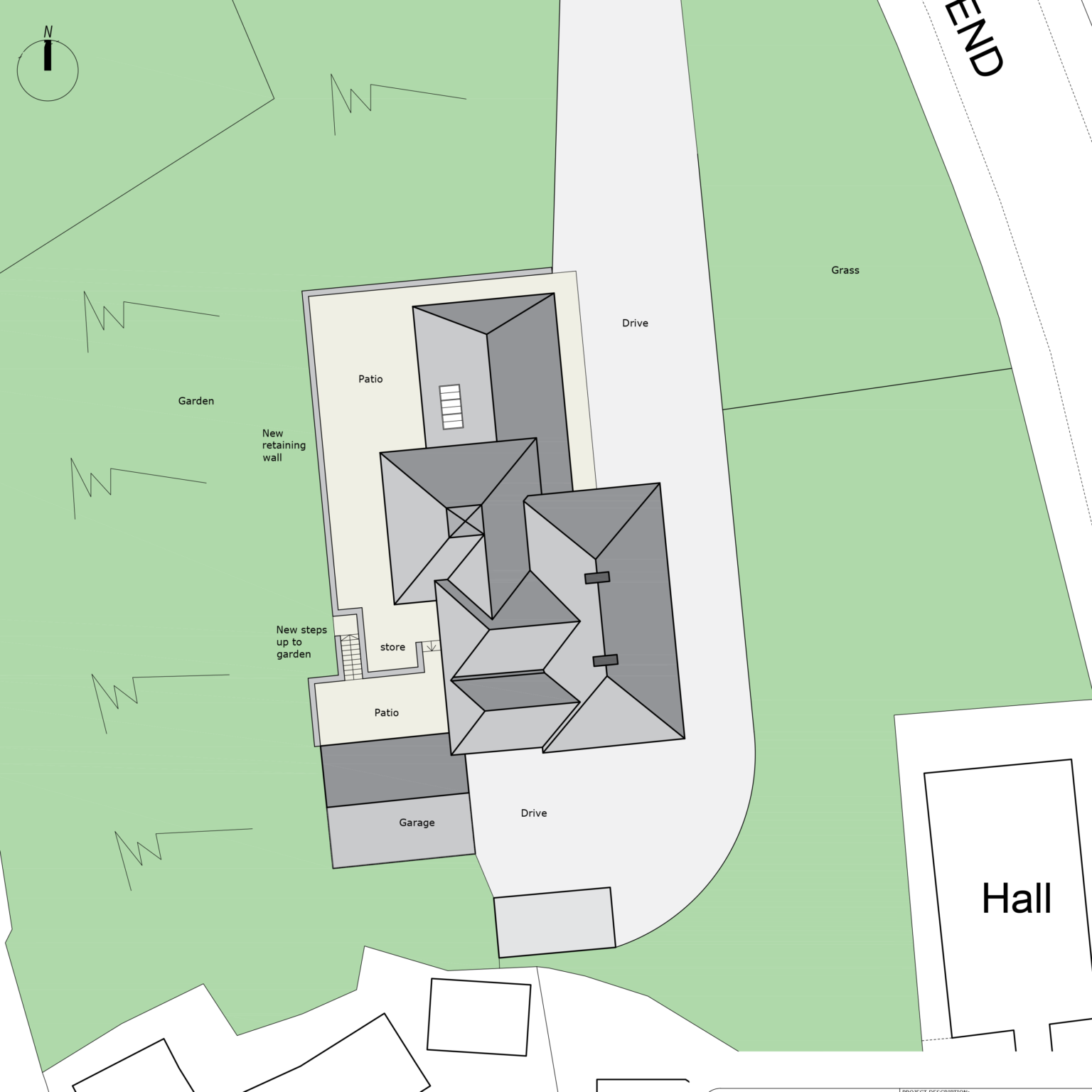
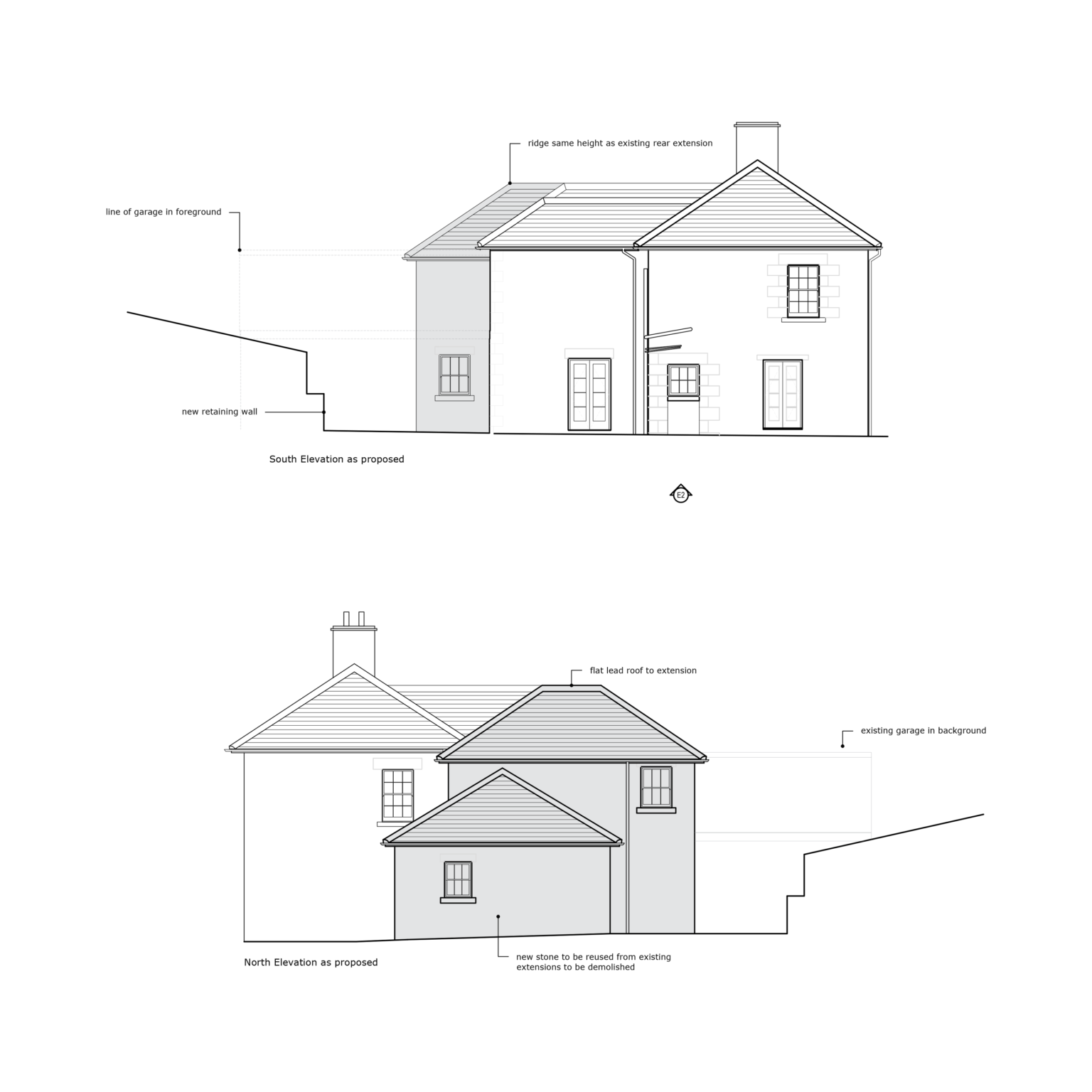
We were commissioned by the homeowners of a Cottage in Brassington, to prepare and submit a householder planning application for the demolition of a series of poor-quality extensions and outbuildings and the construction of new single and two-storey extensions.
The brief sought to address long-standing functional and spatial issues within the dwelling, improve the quality of living accommodation for a growing family, and provide a clearly defined and accessible entrance, while preserving the character of the original late‑19th‑century Italian Villa and its contribution to the Brassington Conservation Area.
The proposal required careful consideration of heritage significance, landscape character, and previous planning history, including a refused scheme in 2018, to ensure a sympathetic and policy-compliant design outcome.
The Cottage is a prominent residential property positioned on rising ground at the northern approach to the village of Brassington. The dwelling overlooks the valley to the east, with a sloping garden to the west, a private footpath to the former Methodist Church (now a pre-school) to the south, and neighbouring residential development to the north.
The site lies wholly within the Brassington Conservation Area and is visible from key public viewpoints when entering the village from the north. While not a listed building, Cliff Cottage is a non-designated heritage asset with historical, social, and aesthetic value, reflected in historic Ordnance Survey mapping dating back to 1880.
Over time, the property has been subject to piecemeal additions, particularly during the early 2000s, resulting in a fragmented layout, multiple floor levels, poor thermal performance, and damp-prone accommodation formed from converted outbuildings and a former double garage.
The design responds directly to previous planning concerns by ensuring the extensions are subservient in scale and form. Reduced ridge and eaves heights, set-back positioning and simplified massing allow the original villa to remain the dominant element. The new layout replaces multiple incoherent additions with a unified, legible form that respects the Conservation Area and wider landscape setting.
This project demonstrates how sensitive design and a clear understanding of heritage context can deliver meaningful improvements within a Conservation Area. By addressing historic issues, responding to policy and respecting the original building’s hierarchy, the scheme enhances both the dwelling and its setting while providing a sustainable, functional home for the future.
Do you live in a Conservation Area and wish to extend? Get in touch to see how our expertise can guide you through the permissions process
For more information, or for a no obligation consultation to discuss your extension, please contact us on 01332 347371.