Opens in a new tab

Heritage · Sheffield

Heritage and listed building consultants in Sheffield

If you own or look after a listed building, or a property in one of Sheffield’s conservation areas, you will want any change to be made carefully and to last. You may also be wondering which consents you need, and how to present your plans so the Council can support them.

We can explain what gives your building its significance, how your proposals would affect it, and how to set that out for the Council clearly and in proportion. An accredited specialist conservation architect leads this work, and any listed building consent and planning permission your project needs are prepared together by one team.

Lindsay Cruddas

Key contact

Lindsay Cruddas

Director – Specialist Conservation Architect

Jon Millhouse

Key contact

Jon Millhouse

Director – Chartered Town Planner

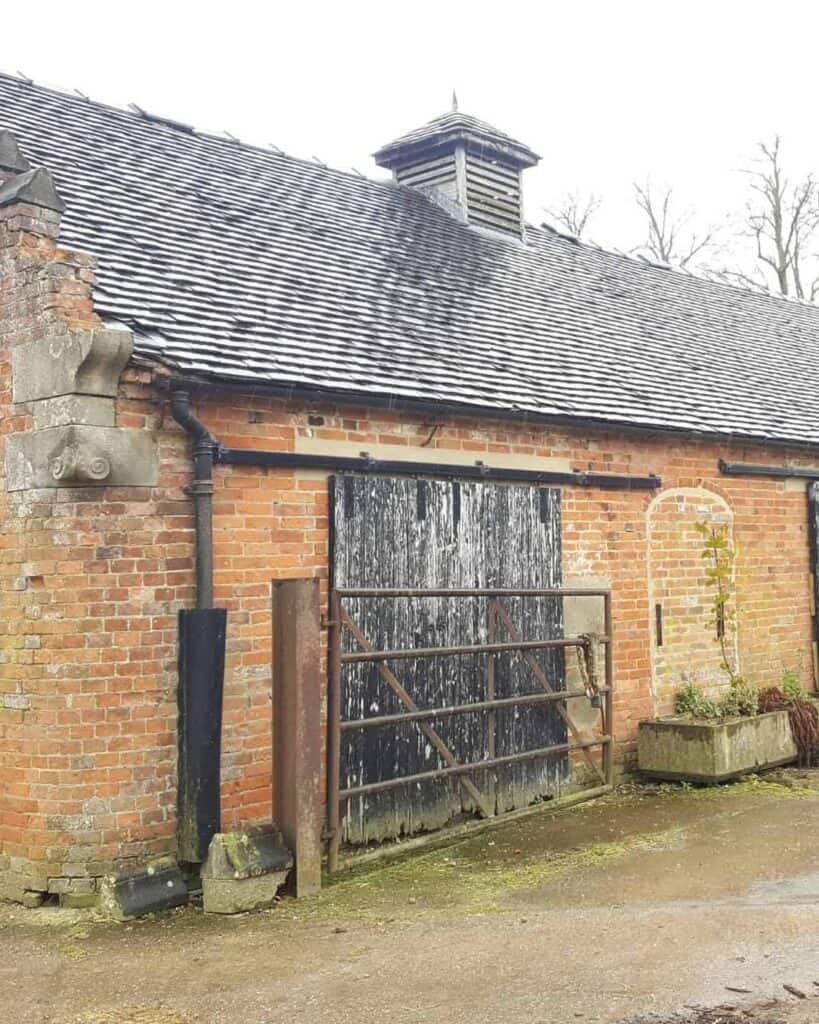
Traditional brick and stone barn at Longford, Derbyshire, during conversion by Planning & Design Practice

How we help

Heritage advice for your building

Whether you own a listed home, a house in a conservation area or a former works, you can change it with confidence once its significance is understood. Here’s what’s typically needed, and we can help you with each part.

Heritage statements and impact assessments

We prepare clear, proportionate heritage statements that set out your building’s significance and the effect of your proposals on it, so the Council has what it needs to understand your scheme.

Listed building consent

We prepare your listed building consent application and the justification that supports it, working alongside any planning application you need so the two tell the same story.

Conservation area schemes

If your home is in a conservation area, we design extensions and alterations that respond to the character of your street, and prepare the application and statement that go with them.

New uses for historic buildings

If your historic building has lost its original use, we can help you find a new one that suits its character, and make the planning and heritage case for the change.

Local context

Planning in Sheffield

Your building’s history, fabric and setting are the starting point for any change you make to it, and understanding them is where our heritage work begins. Once you know what matters most, it becomes much easier to see which changes will sit comfortably and which will need more careful thought.

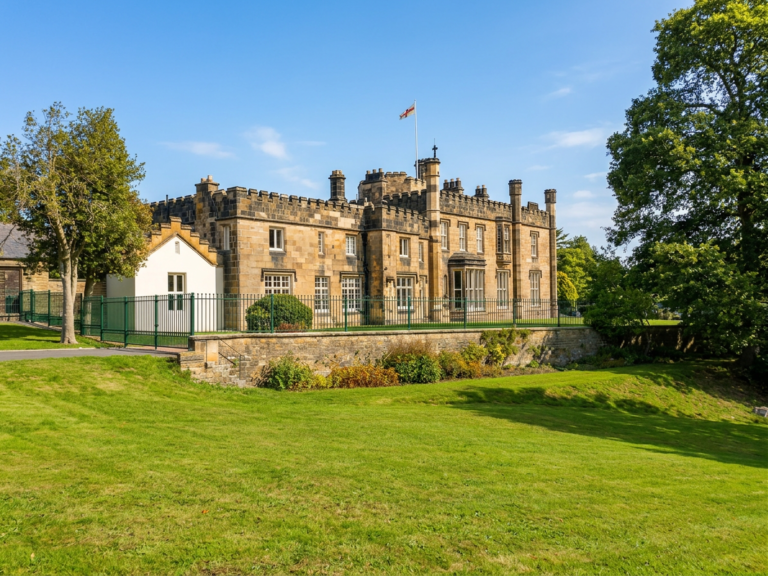
Banner Cross Hall in Ecclesall is a Grade II listed building, and the proposal there was to turn offices into a school for children with special educational needs. Our heritage case covered the listed terrace wall and the new fencing as well as the new use, and Sheffield City Council approved the change of use. If you are planning a new use for a historic building, its boundary walls, gates and railings deserve the same care as the building itself, and it helps to plan for them from the start.

Beyond listed buildings, we help owners of homes in conservation areas, where the character of the street matters as much as the house, and owners of older industrial buildings looking for a new use. In each case we look at what is significant, explain it in a heritage statement that is proportionate to the work, and shape the proposals so the case for them is clear.

Because the people designing your changes and the people making the planning case work in the same practice, the design and the heritage argument develop together rather than one being fitted to the other afterwards. Whatever your building, you will have a team looking after it who understand both sides.

Listed building consent

Any works that affect the character of a listed building, inside or out, need listed building consent, and that sits alongside any planning permission your project requires. We establish what is significant about the building first, so your application can show clearly how the proposals respect it.

Conservation areas

If your property is in a conservation area, the character of the area as a whole is protected, so demolition and many external changes are more closely controlled than elsewhere. We start from the qualities that give your street its character and design your change to sit comfortably among them.

Industrial heritage

Former works and workshops can carry real historic significance in their layout and fabric as well as their appearance. We help you find a new use that keeps the evidence of how the building worked, and make that part of the case for your proposals.

The setting of listed buildings

If you are planning work near a listed building, including new buildings, walls or fencing, it can affect the building's setting even when the building itself is untouched. We assess the setting early, so your proposals can be designed to respect it.


RIBA

RTPI

IHBC

ARB

Heritage work

Listed building work in Sheffield

Banner Cross Hall in Ecclesall is a Grade II listed building, and we secured permission for its change of use from offices to a school.

Common questions

Questions about historic buildings

What is a heritage statement, and will I need one?

A heritage statement explains what makes a building or place significant and how your proposals would affect it. The Council will usually expect one with an application affecting a listed building or a conservation area, and a clear, well-judged statement makes it much easier for your proposals to be understood.

Can I alter a listed building?

You can alter a listed building, and many owners do, when the changes respect what makes it special. Work that affects its character, inside or out, needs listed building consent alongside any planning permission you need, and we can prepare both applications and the case that supports them.

My building is not listed, but it is in a conservation area. What changes?

Some permitted development rights are reduced, and an Article 4 direction can bring smaller changes, such as new windows or doors, under planning control as well. We can check your address for any Article 4 direction and help you plan the work around the character of the area.

Does heritage protection mean my building has to stay exactly as it is?

Heritage protection is about managing change carefully rather than preventing it. Well-designed additions and sensible new uses are often what keep a historic building cared for, and we can help you find changes that work for you and for the building.

Do repairs to a listed building need consent?

Like-for-like repairs in matching materials often do not, but the line between a repair and an alteration can be finer than it looks, particularly with windows, roofs and plasterwork. It is worth checking before your work starts, and we can usually advise from your photographs and a description of what you have in mind.

I have just bought a listed building. Where should I start?

It helps to understand what the listing covers and what makes the building significant before you plan any work. Listing applies to the whole building, inside and out, and can extend to some structures within its grounds, so we can help you work out what is protected and which of your plans will need consent.

Find us

Our nearest office

Planning & Design Practice — Sheffield

The Workstation, 15 Paternoster Row, Sheffield, S1 2BX

01332 347371enquiries@planningdesign.co.uk

Sheffield and South Yorkshire

Planning authorities

Heritage advice

Caring for a historic building in Sheffield?

If your building is listed, in a conservation area or simply old and much loved, you are welcome to send us a few photographs and a note of what you would like to change. We will explain which consents your plans are likely to involve and how you might approach them, and there is no fee for that first conversation.