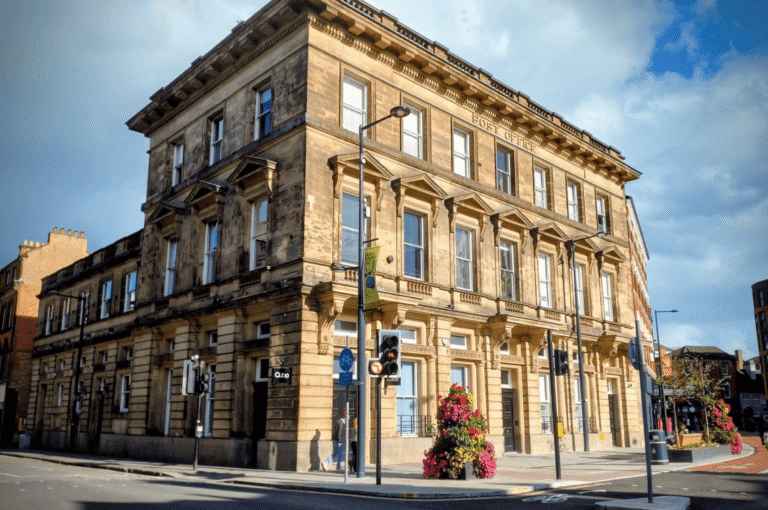
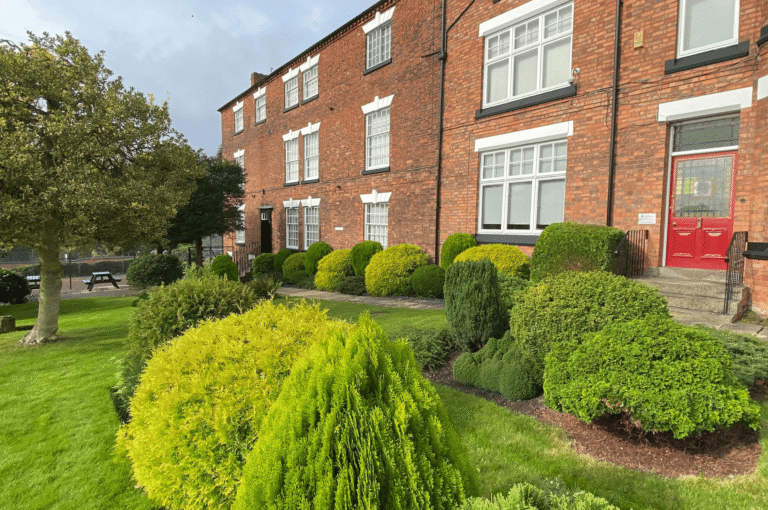
If your building has outlived its original use, it may still have a good future as something else. In Derby city centre, we secured planning permission and listed building consent to convert a vacant Grade II listed former post office and nightclub into offices and a cafe, and the conversion at CUBO Derby has been completed. A listed building brings its own tests, and the new use has to suit the building as well as the market, which is where we would start with yours.
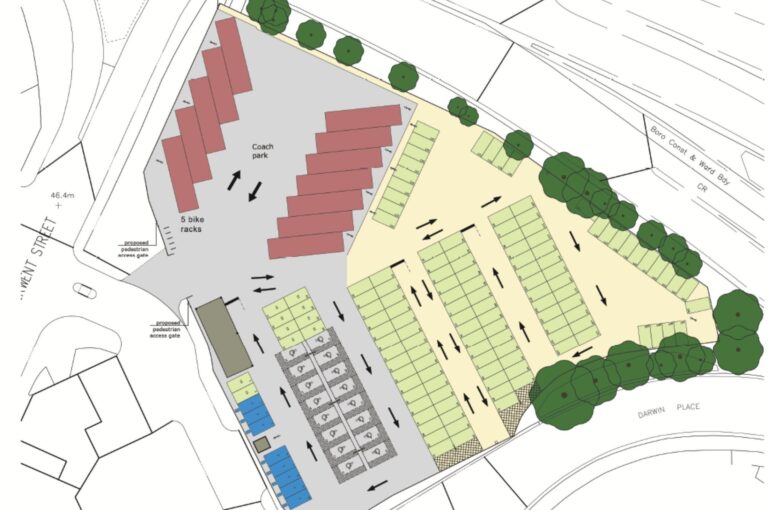
Not every change of use involves a historic building. At North Riverside in the city centre, our scheme for a coach and car park, with electric vehicle charging and a welfare building for drivers, was granted planning permission. Proposals like that are judged on how they will work day to day, from access and layout to their effect on the streets around them, and yours is likely to be asked the same questions.
Our heritage work supported an approved listed building conversion in the Ockbrook conservation area, five miles east of Derby. At Morley Hayes, five miles north-east, we handled the planning for a hotel expansion that was approved in the Green Belt. At Hazelwood, six miles to the north, we worked on an approved commercial development for Lubrizol. Erewash and Amber Valley decided those three rather than Derby City Council, and if your building sits just outside the city, we will prepare your application for the council that will decide it.
Your building may be a listed landmark, a tired office or an industrial unit. Whichever it is, we will help you establish which consent you need and what the new use will ask of it before you commit to a purchase or a lease.
Use classes and prior approval
Whether your change needs full planning permission, prior approval or no application at all depends on the building's lawful use and the use you have in mind. We establish that first, so you know which route you are on before you commit to a purchase or a design.
Listed buildings and conservation areas
If your building is listed, works that affect its character will need listed building consent in addition to any planning permission, and in a conservation area the materials and detail of external changes are looked at closely. We make the case for the new use and the physical changes together, so both respect what makes your building special.
Derwent Valley Mills World Heritage Site
If your building is within the World Heritage Site or close to it, your proposal will be considered for how it affects the site's significance and setting. We look at that at the outset and explain what it means for the design and for the evidence your application will need.
Flood risk
Some city centre and riverside sites fall within flood zones, which can affect whether a use is acceptable, particularly on the ground floor. We check the flood position at the start, so the use you propose suits the site rather than having to change later.