
Listed building consent
If you are planning to alter, extend or repair a listed building, we prepare the application with you. Your drawings and the justification for them are developed together, so each supports the other.
Heritage · Derbyshire
Perhaps you own a listed farmhouse, a former mill or a cottage in a conservation area, and you have plans for it. Early on, we can help you pin down what is special about your building, what that means for your plans, and which consents you are likely to need.
Our heritage work is led by an accredited specialist conservation architect, with our planners alongside. Your design and the case for it are shaped together from the start, so the justification for your scheme grows out of the building itself rather than being added at the end.

Director – Specialist Conservation Architect

Director – Chartered Town Planner
How we can help
Whether you are thinking about new windows for a listed cottage or a new use for a mill, the help you need should be in proportion to your project. Most of our heritage work falls into these five areas, and you are welcome to start with any of them.
If you are planning to alter, extend or repair a listed building, we prepare the application with you. Your drawings and the justification for them are developed together, so each supports the other.
Your heritage statement explains what matters about your building and how your proposals affect it, and it carries real weight in the decision. We write it in proportion to your project, with the evidence a conservation officer will look for.
Where your home or business sits within a conservation area, you may need an application for work that would not need one elsewhere. We help you shape work that respects the area’s character, including where an Article 4 direction applies.
A barn, mill, chapel or commercial building has the most secure future when it has a viable use. We help you find a use your building can accommodate, and make the case for it.
If work has been done without the consent it needed, perhaps before you owned the building, it is best addressed calmly and early. We can advise you on a retrospective application, and on appeals or enforcement if it comes to that.
How we work
On a heritage project the order matters, because the case for your proposals has to grow out of an understanding of your building. Here’s how we usually work with you.
Step 1
We look at your building, its list entry and its history, and establish which parts are protected and by which designations.
Step 2
We set out where your building's special interest lies, because every later decision about the design is weighed against it.
Step 3
We develop your proposals around that significance, making changes where the building can accommodate them and holding back where it cannot.
Step 4
We prepare the drawings, the heritage statement and the applications for planning permission and listed building consent together, so they tell one consistent story.
Step 5
We respond to questions from the council and its conservation officer while your applications are considered, and keep you informed until a decision is made.
Local context
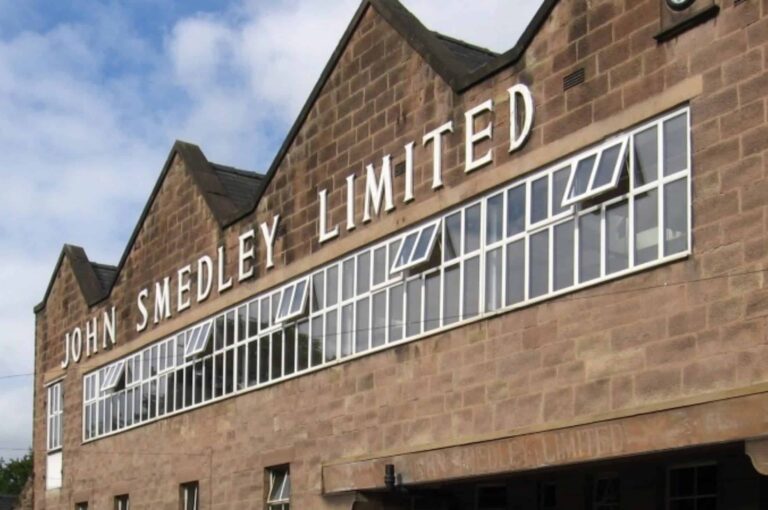
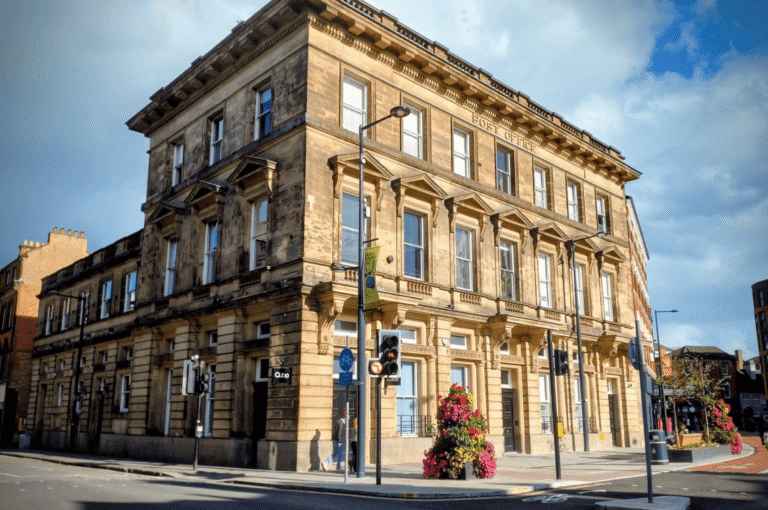
If your building has outgrown the use it was built for, a sensitive new use is often the best way to keep it cared for. A good deal of our heritage work starts there. In Derby city centre, our planning and heritage work supported the restoration of the Grade II listed Old Post Office and its conversion to offices as CUBO Derby, with listed building consent. At Lea Bridge, near Matlock, we advised on the planning and heritage side of converting the historic John Smedley mill building to homes, within a conservation area.
We work with rural buildings too. At Longford, near Ashbourne, we designed the conversion of a listed traditional barn to holiday use, which was approved. At Twyford, in South Derbyshire, our approved design for a residential scheme works with a listed building and traditional barns in a conservation area. If you have a barn or a farmstead of your own, questions about new openings, layout and materials are likely to be the ones your project turns on.
Historic buildings often need to support a business as well. At Yeldersley we designed an approved wedding venue at a listed building. At Ockbrook, in Erewash, we provided the heritage input for the approved conversion of a listed building within the village’s conservation area. If you need your building to work commercially, we can help you plan changes it can accommodate.
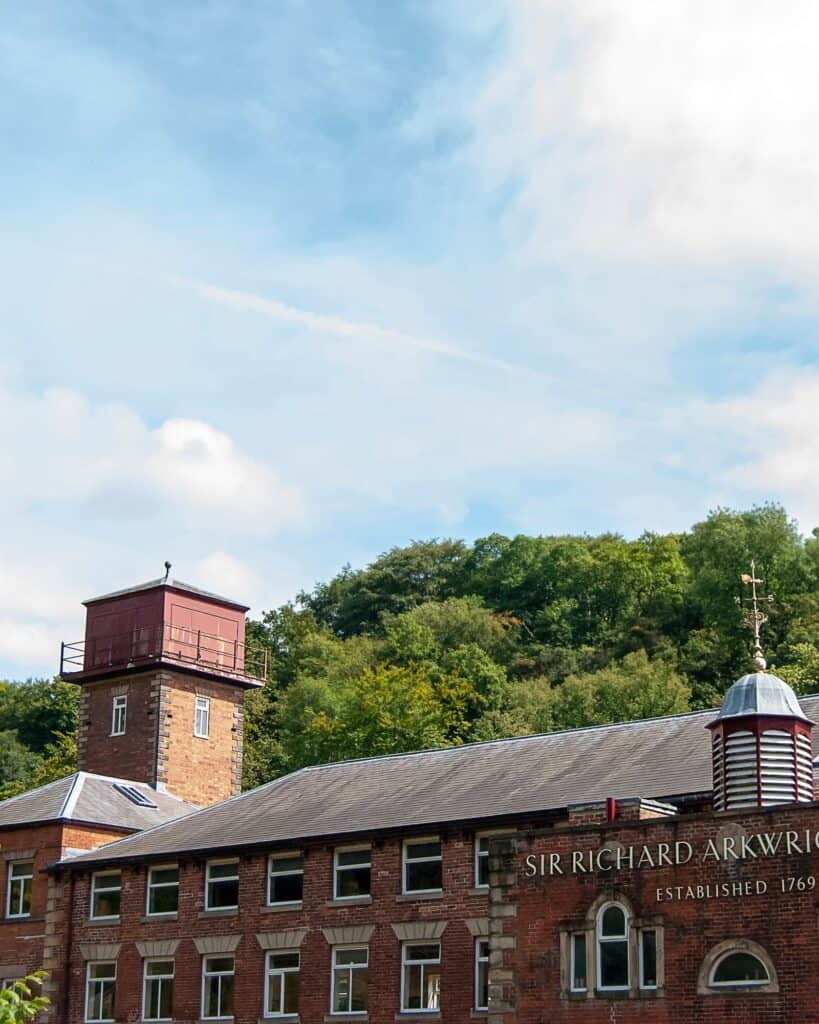
Our Matlock office is at Cromford Mills, within the World Heritage Site, and working with conservation officers is a normal part of our week. Wherever your building is in the county, we would start by understanding what matters about it, so that the changes you make are ones it can carry comfortably.
Listed building consent looks at the effect of your proposals on the building's special interest, so it can apply to internal work that would never need planning permission. We establish early which consents your project needs, and prepare them together so that each supports the other.
A listing can also protect older barns, outbuildings and walls within the building's 'curtilage', meaning the land that goes with it, even where the list entry does not mention them. We look at the history of your property at the outset, so you know which parts are covered before you plan any work.
This protected stretch of the Derwent valley runs between Derby and Matlock Bath, and proposals within it or its buffer zone are considered for their effect on its outstanding universal value. If your plans are affected, we prepare the evidence your application will need, in proportion to what you are proposing.
Where original windows, doors or joinery survive, you will usually be expected to show that repair has been considered before replacement. We assess their condition early, often starting from your photographs, and where replacement is genuinely needed we set out the case for it in your application.
RIBA
RTPI
IHBC
ARB
Heritage work
Listed buildings and historic farm buildings across the county, where we have helped clients find a new use or make careful changes.
Lea Bridge, Matlock
Planning & Design were instructed as planning consultants to deliver a complex set of proposals for redevelopment, conversion and part
Derby
The redevelopment of the Old Post Office will allow the refurbishment of the upper floors, facilitating the restoration of historical
Wildhive Callow Hall, Derbyshire
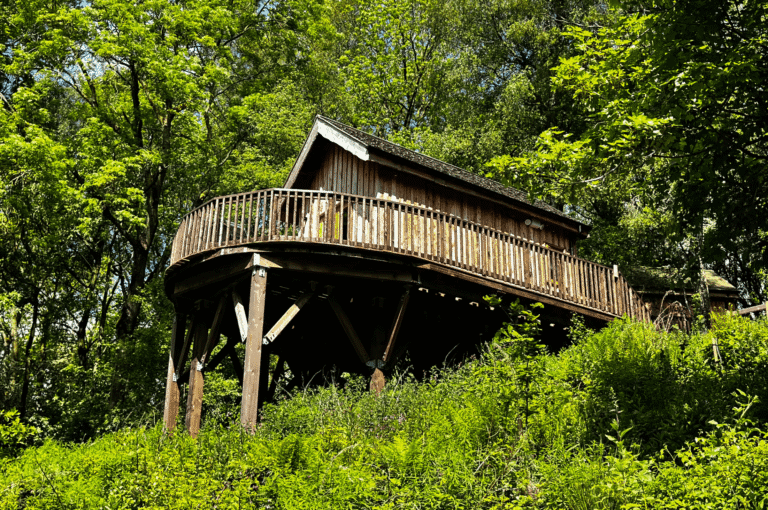
Planning & Design successfully secured planning permission for an exciting new development of 11 ‘Wildhive’ woodland cabins at Callow Hall
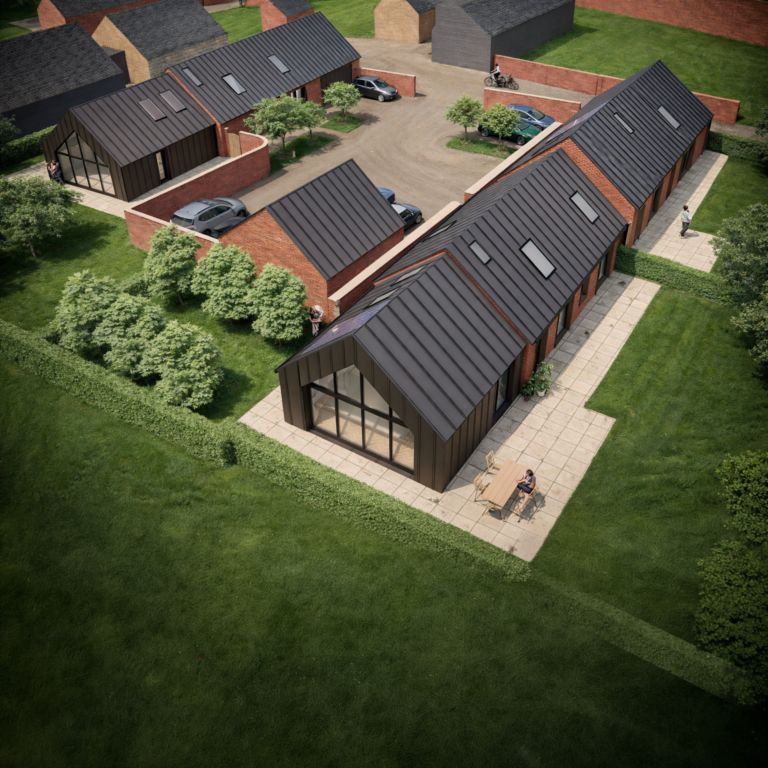
Twyford
This project involves the resubmission of a refined residential scheme at a historic rural farmstead in Twyford.
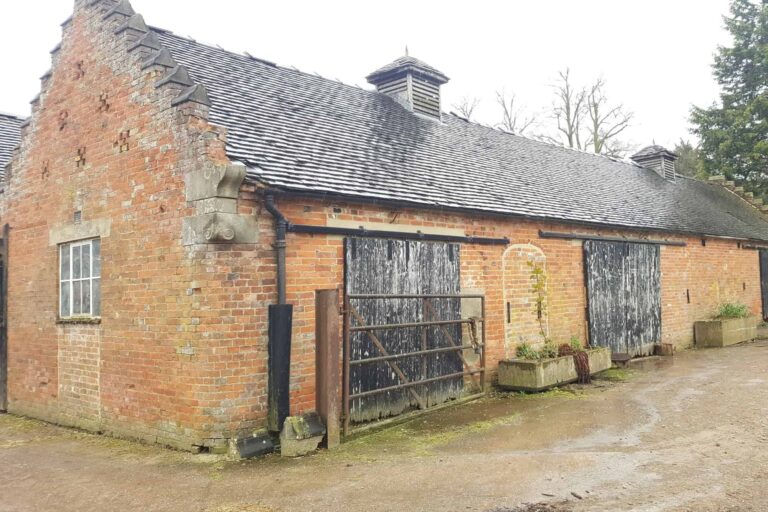
Longford
Planning & Design have successfully obtained planning permission for the sensitive conversion of a listed Farmstead in Longford, Derbyshire Dales.
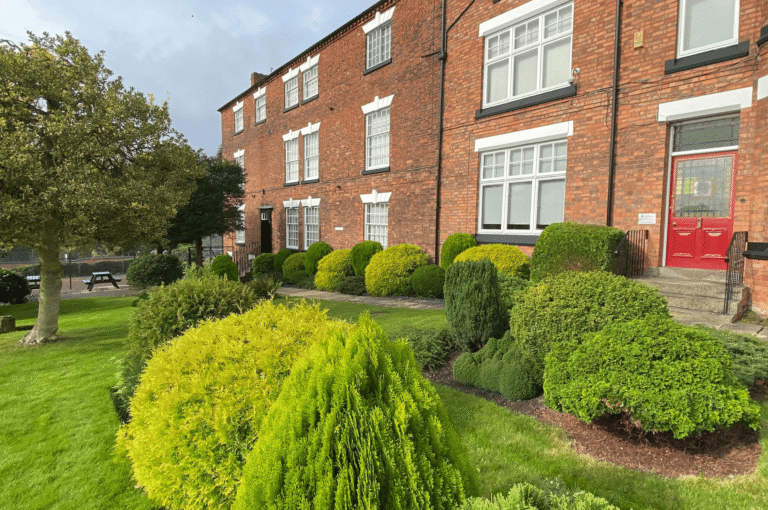
Ockbrook
The Ockbrook Moravian Settlement is an interesting historical site in Derbyshire, and we are pleased to have successfully achieved Listed
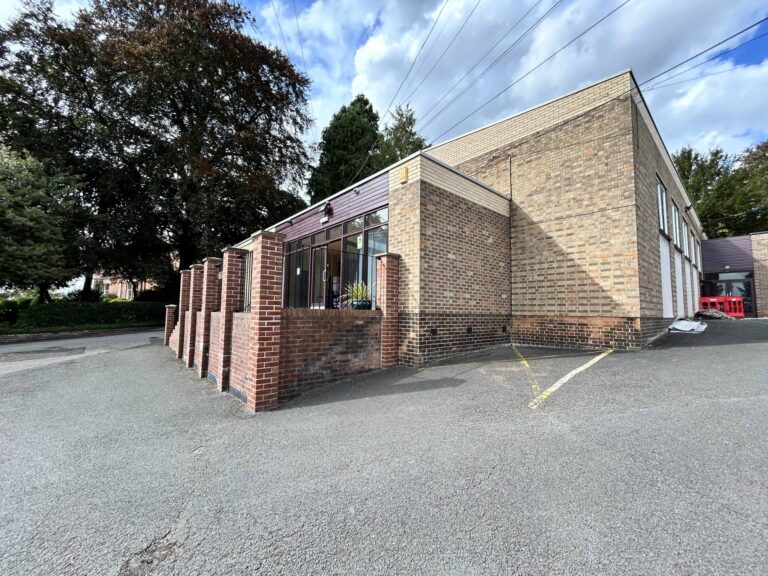
Ockbrook School, Derbyshire
Planning permission granted at Ockbrook School (The Settlement) for sensitive improvements supporting Over the Wall Camp. Planning and heritage expertise
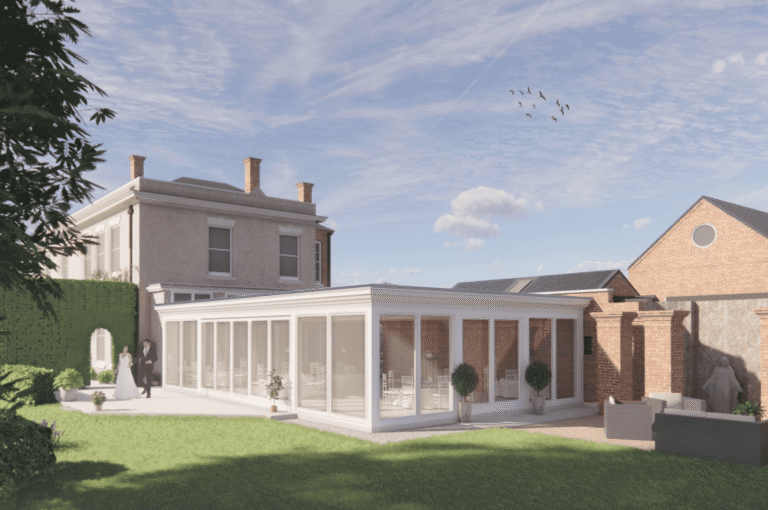
Yeldersley, Derbyshire
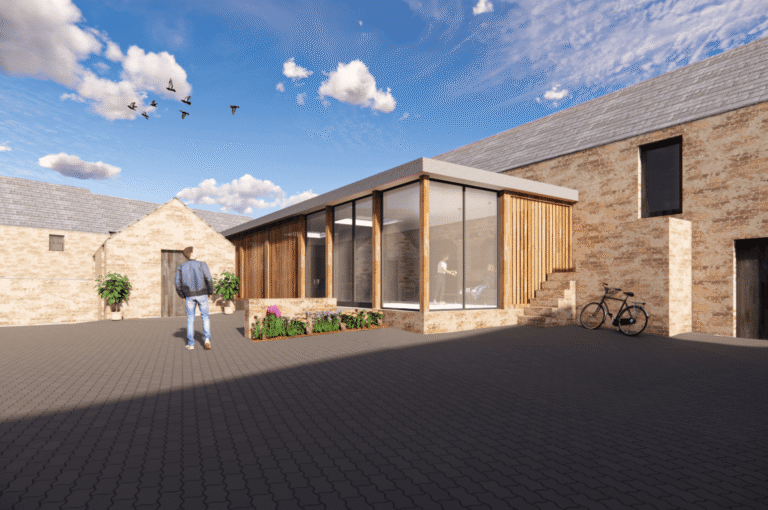
Wakebridge, Derbyshire
Mixed Use Development including a New Sheep Dairy Enterprise with Creamery, Hotel Restaurant and Bar at Historic Derbyshire Farm
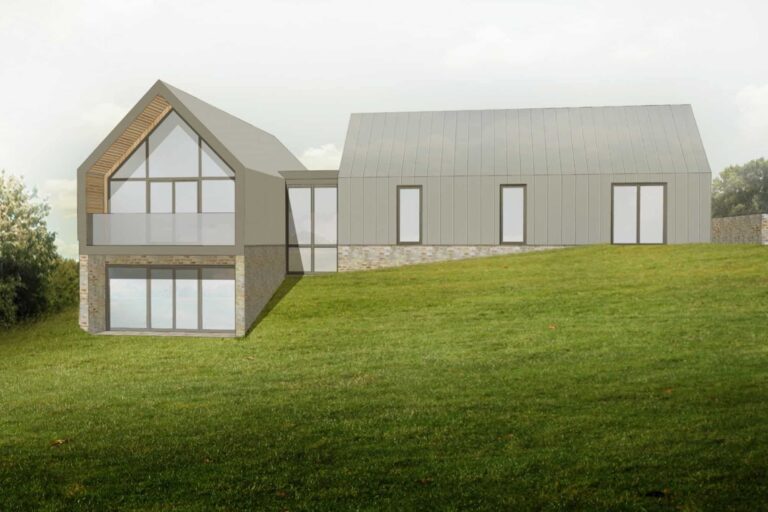
Highfield Farm, Holbrook
We were delighted to receive planning and Listed Building consent for our proposals to redevelop Highfield Farm at Holbrook, on
Common questions
That depends on your project, because the two consents are separate. Planning permission deals with development in the usual sense. Listed building consent looks at the effect on your building’s special interest, so internal alterations can need it even when no planning permission is required. We will tell you which your project needs at the outset.
Work that affects the special interest of your building needs listed building consent whatever its grade. For buildings listed at the two higher grades, Historic England is usually consulted as well as the council. We can explain what your building’s grade means for your project and who is likely to be involved.
Your proposal will be considered for its effect on the site’s outstanding universal value, as well as on the usual planning grounds. In practice that asks for careful design and clear evidence, in proportion to what you are proposing. Change is still possible within the valley, and we help you show how your scheme respects its history.
The most helpful first step is to find out exactly what was done and whether it needed consent, and we can help you with that. Unauthorised work to a listed building does not become lawful with the passage of time, so it is worth addressing early. A retrospective application is often the right route, and we can prepare one that explains the work carefully.
Many improvements are possible, and the right ones depend on how your building was built and what matters about it. We can help you choose measures that suit it, and explain them in your application where consent is needed.
An accredited specialist conservation architect will lead your project, with our planners alongside. You will work with the same small team from your first conversation with us through to the decision.
Wider coverage
Find us
Planning & Design Practice — Matlock
Cromford Mills, Mill Road, Cromford, Matlock, DE4 3RQ (confirm exact unit and postcode)
Matlock, the Peak District and Derbyshire Dales
Get started
Do you have the list entry, a few photographs, or simply a building you care about and some ideas for it? Send them over and we will share our first thoughts on what is likely to need consent and how you might approach it. There is no fee for that first look at your building.