
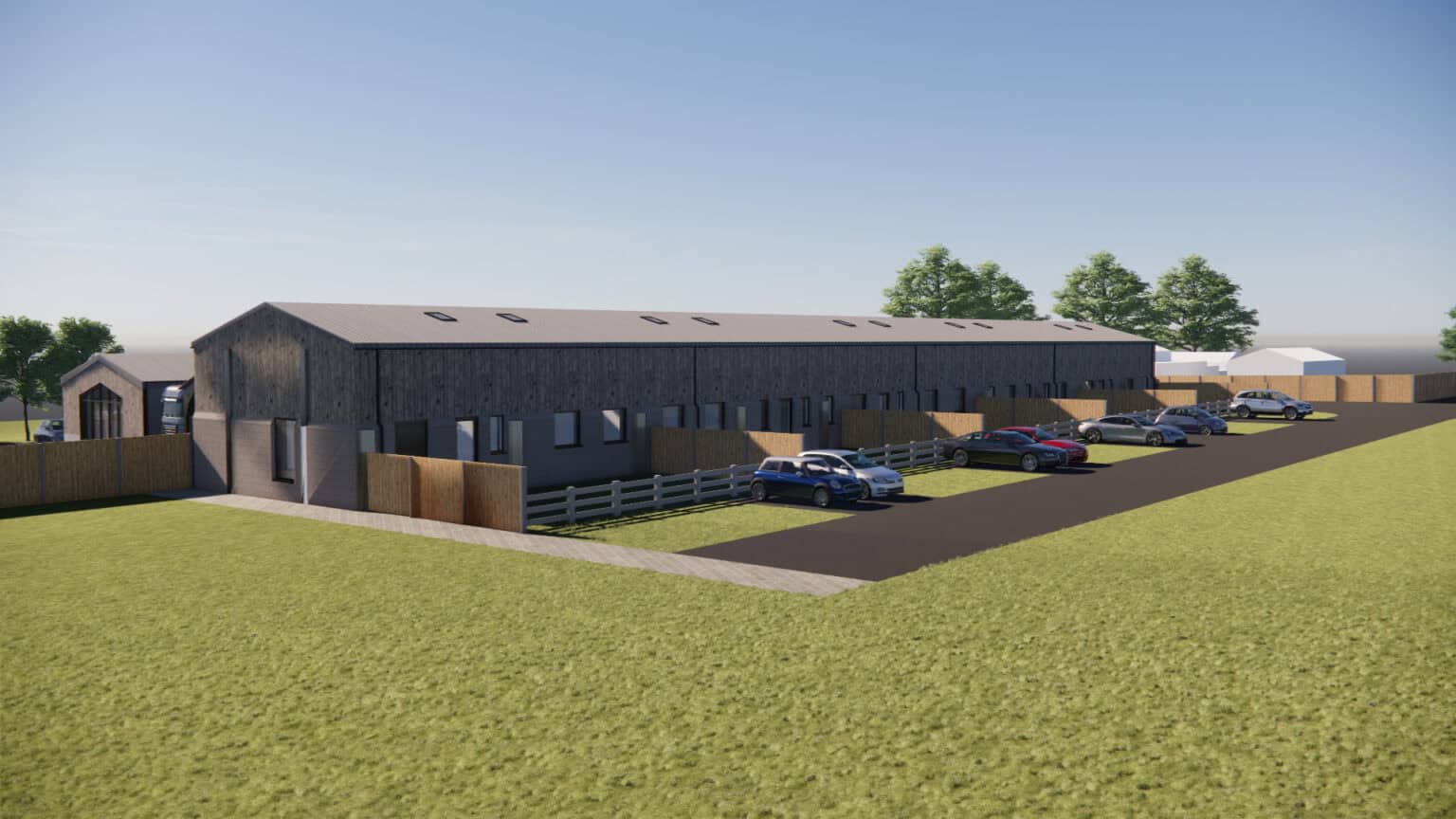
We’re pleased to share a rural planning success at Glasspool Farm where prior approval has been granted for two Class Q barn conversions, creating 10 new homes, five within Barn A and five within Barn B.
On projects like this, the value is in what it unlocks. Class Q provides a route to bring redundant agricultural buildings back into use, in a way that is tightly defined and focused on conversion. The key is presenting a clear, evidence-led case that speaks directly to the prior approval matters, so decision-makers can be confident the proposal is compliant and deliverable.
The opportunity
Glasspool Farm is in a rural location outside the settlement boundary, so the sensible re-use of existing buildings matters. Rather than pursuing new build development in the countryside, this approach focuses on adapting what is already there, retaining the established built form and giving redundant barns a viable long-term future.


Why the details mattered
With Class Q applications, the principle is established through permitted development, but the local authority still needs to assess specific impacts. The application needed to clearly demonstrate that the conversion would work in practice, with a calm, complete submission that addressed the topics councils are required to consider, such as highways, flooding, contamination, noise, design and external appearance, and adequate natural light.
There are also location specific considerations in this part of the country that can affect programme and delivery, so it helps to have the planning steps mapped out early, and to avoid surprises once approval is in place.


How Planning and Design Practice helped
Our role was to guide the process and keep the applications focused on what matters most for a successful Class Q outcome.
We coordinated a phased strategy for Barn A and Barn B so the route forward was clear, and supported the submission with the right level of evidence on the prior approval tests. We also helped ensure the proposals remained firmly within the scope of Class Q, meaning a conversion-led approach with only the building operations reasonably necessary for the buildings to function as homes.
This is often where experienced planning input adds real value, not by making things more complex, but by keeping the submission clear, structured, and decision-ready, and by anticipating the conditions and follow-on steps that can affect delivery.
If you’re exploring a rural conversion project, our planning team can advise on feasibility, strategy, and prior approval submissions.
The outcome
Prior approval has been granted for both barns, providing a clear route to deliver 10 homes through the re-use of existing rural buildings. As with most approvals of this type, there are conditions to work through as the project progresses, and dealing with these early helps keep the programme on track.
How Planning and Design Practice can help
Planning and Design Practice Ltd is a multi-disciplinary team of Chartered Town Planners, Architects, Architectural Assistants and Heritage Specialists. Securing consent is often the key step in unlocking a project, and on rural sites it helps to have clear advice early so you can choose the right route, prepare the right evidence, and keep delivery practical.
We can support a project from first ideas through to submission and approval, but we also offer flexibility. Some clients have their own architect and want expert planning support, others want an integrated service where planning and design work closely together. Either way, our focus is on making the process clear, practical, and deliverable.For a free, no-obligation consultation, get in touch on 01332 347371 or enquiries@planningdesign.co.uk.