
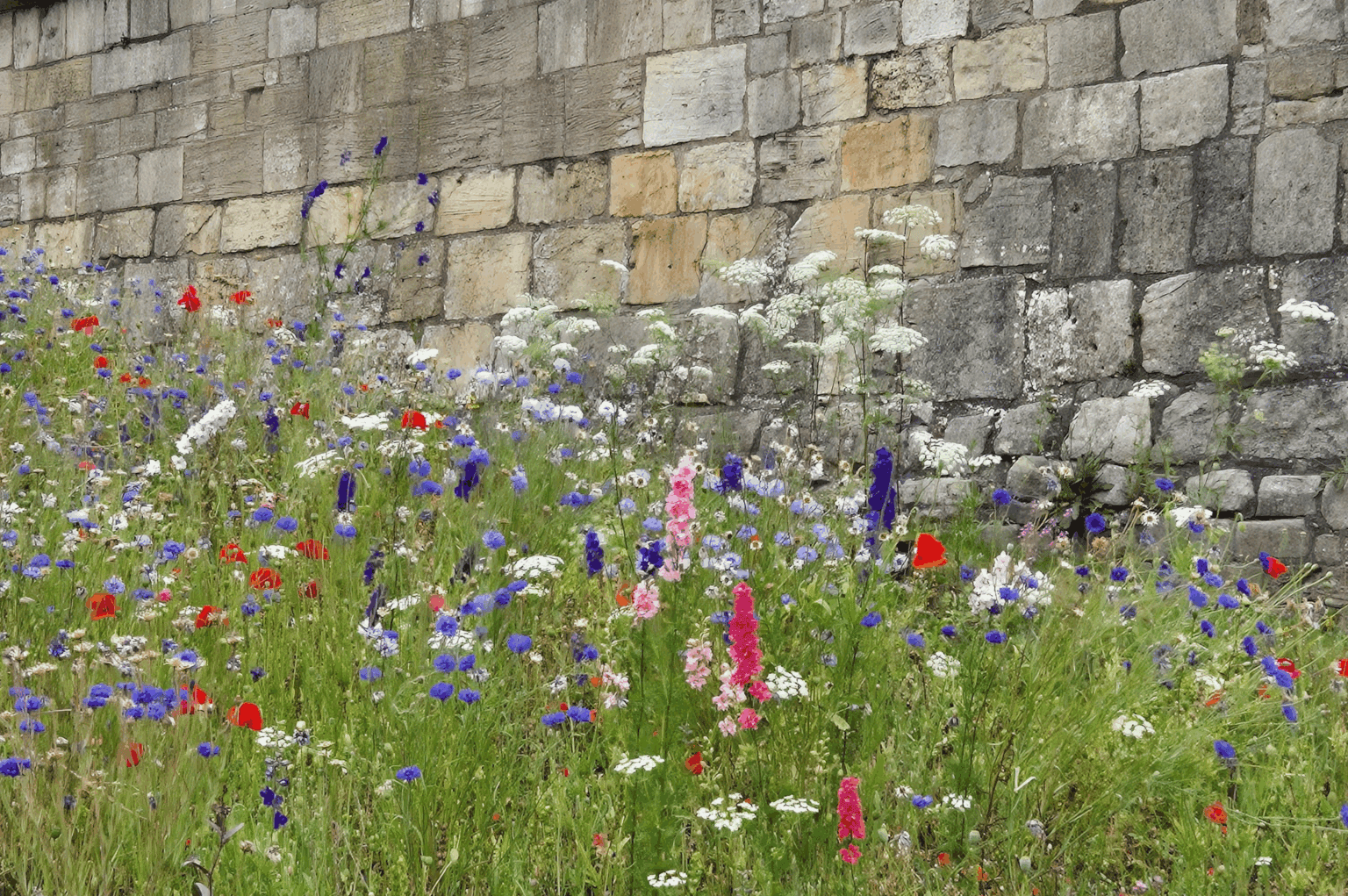
Biodiversity net gain (BNG) has been with us for almost 18 months. It has an important role to play in ensuring developments have a positive impact on habitats and wildlife.
The statutory BNG requirement seeks to ensure that habitats for wildlife are at least 10% better than they were before the development took place. Under Schedule 7A of the Town and Country Planning Act 1990, relevant developments must deliver a 10% net gain on the value of all habitats within the redline boundary.
Since the introduction of BNG, we have learned how to navigate this as part of delivering development. However, such a monumental change was always going to bring challenges with it. Some of which were more persistent than others, leading the government to launch a consultation on how to improve the implementation of biodiversity net gain for minor, medium and brownfield development.
This consultation sought feedback on how to improve the implementation of BNG for applicable developments. These include widening the scope of exemptions, simplifying the small sites metric and easing access to the off-site market. The key changes being discussed are summarised below;
Biodiversity Net Gain (BNG) Exemptions
- Exempting all but major developments
- Increasing the de minimis exemption from 25 sqm
- Exemption for temporary developments
- Replacing the self/custom build exemption with a single-dwelling exemption
Other Proposed Changes to BNG
- Removing the Spatial Risk Multiplier, enabling use of off-site units across authority boundaries without penalty
- Relaxation of the trading rules for some minor development
- Relaxing the on-site preference hierarchy for minor schemes
- Changes to the Small Sites Metric
The government wants to reduce administrative and financial pressures on the smaller developers, enable efficient decision making and prevent unintended obstacles to housing delivery on brownfield land. However some groups, including Wildlife and Countryside Link, believe that some of these changes go too far and potentially risk leaving BNG “dead in the water”.
The Royal Town Planning Institute (RTPI) echo these concerns. They agree that exempting all minor developments would “seriously undermine the purpose of BNG” and that targeted exemptions would be more appropriate.
The RTPI also welcomed the idea of replacing the self/custom build exemption with a single-dwelling exemption. The said that that this exemption has been “tricky for local authorities to verify” and could be “exploited” by developers. As such, a clearer exemption would be welcomed. You can read the RTPI’s response to the consultation in full here.
This consultation marks an important point in BNG’s rather short lifetime. It offers the chance to improve deliverability of smaller and more hindered schemes. But there are also concerns that they risk diluting the ecological improvements that BNG sought to implement initially. This consultation will seek to find a compromise between these issues, continuing to deliver habitat enhancements whilst still maintaining housing delivery. An update is expected later this year, with any potential changes expected mid-2026.
Planning & Design Practice Ltd is a multi-disciplinary team of Chartered Town Planners, Architects, Architectural Assistants and Heritage Specialists. Gaining planning permission is a key step in almost any development. We can take a project through from inception to completion, but we also offer the flexibility to engage a client’s own architects and provide a planning service, whilst our design team can also work with clients who have engaged other town planning professionals.
We can help you understand and manage the impact of Biodiversity net gain on your developments, helping to minimise disruption and costs, and reduce delays. If you want to chat more about it, please do not hesitate to get in touch on 01332 347371 or email us at enquiries@planningdesign.co.uk.
Shaun Hyde, Senior Planner, Chartered Town Planner, Planning & Design Practice Ltd