Assessing a site before purchase
When you need an informed view on planning potential before committing to a site, property or land opportunity.
Planning Consultancy
Early-stage planning advice that helps clarify risk, opportunity and likely next steps before a project moves further into design, surveys or submission costs.

Richard Pigott
Director
Planning appraisals and feasibility studies help clients understand the likely planning position before a project progresses too far. They are especially valuable where a site has obvious constraints, where planning risk needs to be tested early, or where a clearer view of development potential is needed before committing further time and cost.
This kind of work can range from an initial professional view on a straightforward site through to a more formal planning feasibility study. Depending on the project, it may include review of planning history, local policy, site constraints, design context, heritage considerations, access issues and the wider planning prospects of the proposal.
For some clients, this stage provides reassurance before moving into design. For others, it helps avoid pursuing the wrong route, identifies where supporting information is needed, or clarifies whether a site has realistic potential at all.
When you need an informed view on planning potential before committing to a site, property or land opportunity.
When a site may support new development, change of use or a more ambitious proposal, but the likely planning position needs to be understood first.
When policy, landscape, heritage, access or local context may create uncertainty around the proposal.
When it is not yet clear whether the project needs design development, pre-application advice, supporting surveys or a different strategy altogether.
When rural sites, agricultural buildings or estate assets need careful appraisal before proposals are advanced.
When clients want greater confidence before investing in drawings, reports or a full planning submission.
The scope will vary depending on the site and the brief, but a planning appraisal or feasibility study may include the following.
Reviewing relevant planning history, local and national policy, site allocations and any planning designations that may influence the proposal.
Providing an early professional view on whether the proposal appears realistic, where risks sit, and what issues may need to be addressed.
Identifying factors such as access, neighbouring uses, topography, landscape setting, settlement edge conditions and the wider character of the area.
Advising whether third-party reports, surveys, technical input or pre-application engagement are likely to be needed before a project progresses.
Highlighting whether listed buildings, conservation areas, local character or wider design issues are likely to influence the planning approach.
Setting out the most appropriate route forward, whether that is further appraisal, design development, pre-application advice or a planning submission.
Our process
Every site is different, but early planning advice is most useful when it is clear, proportionate and grounded in the realities of the site.
Our process is designed to identify issues early, test planning prospects and recommend the most effective next step.
Understanding the brief
We begin by understanding the site, the client’s aims and the wider context around the project.
Testing the planning position
We assess planning history, policy, constraints and the key issues most likely to influence the outcome.
Identifying risks and opportunity
We draw together the main planning considerations and provide a balanced view of what appears realistic
Recommending the right route
We advise on whether the next stage should be design development, pre-application advice, further technical input or a planning submission.
Supporting what comes next
If the project progresses, we can continue to support the next stage as part of a wider planning, heritage and design service.
Need to know
At feasibility stage, the goal is not to answer every technical detail, but to identify the issues most likely to influence whether and how a project should move forward.

Useful where a site is more complex, constrained or planning risk needs to be understood before design work progresses.

Important for testing site potential, planning strategy and viability before committing to acquisition or submission.
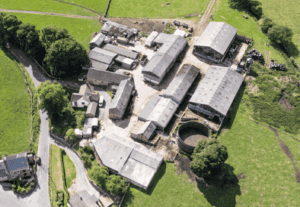
Helpful where countryside policy, diversification, agricultural assets or sensitive settings need careful appraisal.

Relevant where a business needs to understand change-of-use potential, redevelopment options or operational planning constraints.

Valuable where place, policy, community impact and deliverability all need to be considered early.
A planning appraisal is an early-stage professional review of a site or proposal. It helps identify the relevant policy context, likely planning issues, site constraints and realistic prospects before the project moves further into design or submission.
They are closely related. In practice, the level of detail depends on the site and the brief. Some projects need a concise professional view, while others benefit from a more formal feasibility study that tests planning prospects in greater detail.
Ideally, as early as possible. This kind of advice is most valuable before major design, survey or application costs are incurred, especially where the planning position is uncertain or the site is more sensitive.
Yes. Planning appraisals are often useful before purchase, helping clients understand whether a site appears to have realistic potential and what issues may affect value, strategy or the next step.
No planning consultant can guarantee an outcome, but an appraisal can provide a clearer and more informed view of likely prospects, risks and the issues most likely to affect a future application.
That depends on the findings. The next step may be design development, pre-application advice, further technical input or progression to a planning submission. If the project moves forward, we can continue to support those next stages.
Your next step
We can help assess the planning position, identify the key issues and recommend the most effective route forward.




Planning advice shaped alongside architecture, heritage and wider site considerations.
Advice grounded in what is realistic, not just what looks good on paper.
Support across residential, commercial, rural and public-sector contexts.
Clear next steps, clear communication, and a process that keeps momentum.