At a glance
- Barn conversions and Class Q
- Farm diversification
- Agricultural buildings
- Tourist accommodation
- Certificates of Lawfulness

Clients
Planning, design and heritage advice for landowners, farmers and estates looking to make better use of rural land, buildings and development opportunities.

Managing Director – Chartered Town Planner

Director – Chartered Architect
Unlocking rural potential
For farmers, estate owners and rural landowners, development can help transform underused land and buildings, support diversification and maximise the long-term value of a rural property.
But development in the countryside is subject to strict planning controls. The right route can depend on planning policy, permitted development rights, landscape impact, access, ecology, heritage, existing use and the condition of buildings. Planning & Design Practice can help you test the opportunity, understand the constraints and shape a planning strategy that is realistic, commercially worthwhile and capable of standing up to scrutiny.
Our team has extensive experience working with homeowners, landowners, developers and farmers in rural areas, combining planning, architecture and heritage expertise to help rural projects move forward.
Whether you have a clear project in mind or want to explore what your land and buildings could support, we can help identify practical, planning-led opportunities.
Advice on land, buildings or wider holdings to identify where planning opportunities may exist and which ideas are worth exploring further.
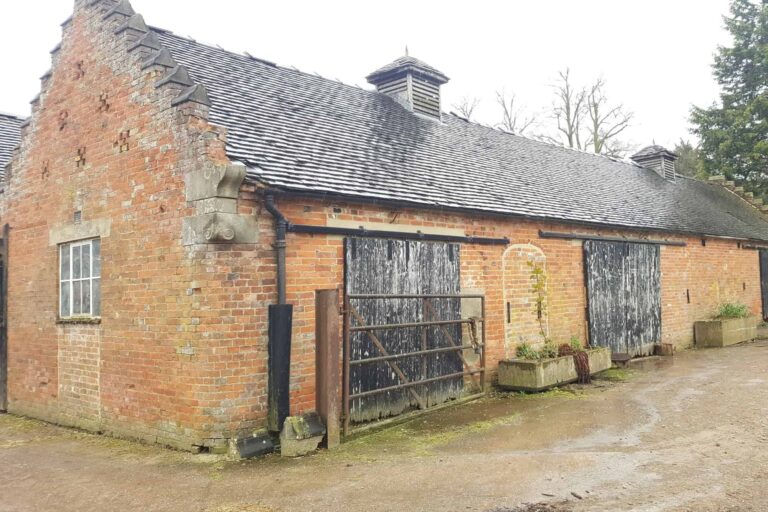
Support for converting agricultural buildings to dwellings, including Class Q prior approval, full planning applications and the supporting case needed.
Advice on permitted development and change of use options, including Class R flexible commercial uses and Class S educational uses where relevant.
Planning advice for new income-generating uses, including tourism, leisure, rural workspace, visitor accommodation and commercial activity.
Guidance on agricultural buildings, rural housing, agricultural dwellings, occupancy conditions, equestrian development and proposals in open countryside.
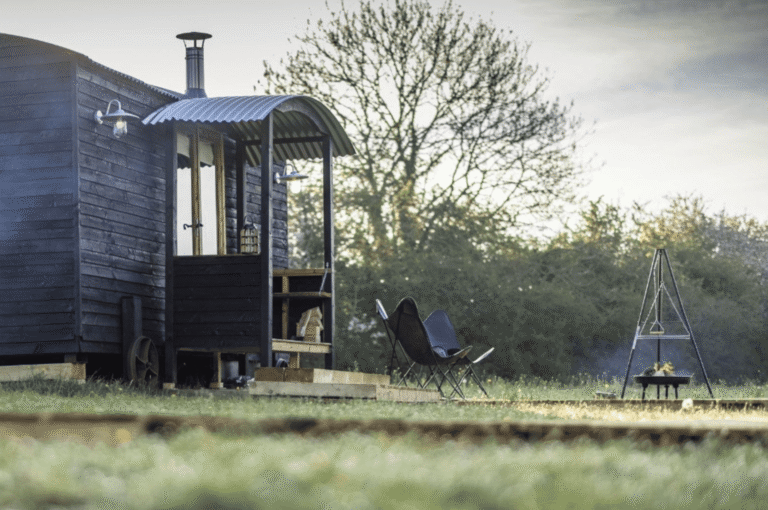
Support for holiday lodges, shepherd’s huts, camping, glamping and other visitor accommodation where landscape, access and amenity need careful consideration.

Specialist planning advice for rural land, farm diversification, agricultural buildings, countryside development and rural business uses.
Planning appraisals, applications, prior approval routes and strategy for landowners exploring development, diversification or new uses.
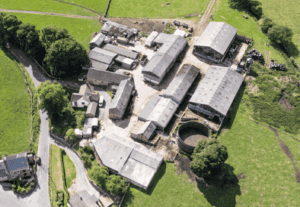
Specialist advice where traditional buildings, listed assets, conservation areas or historic settings shape what is possible.
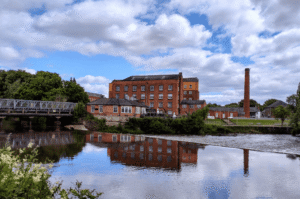
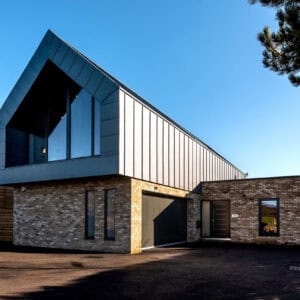
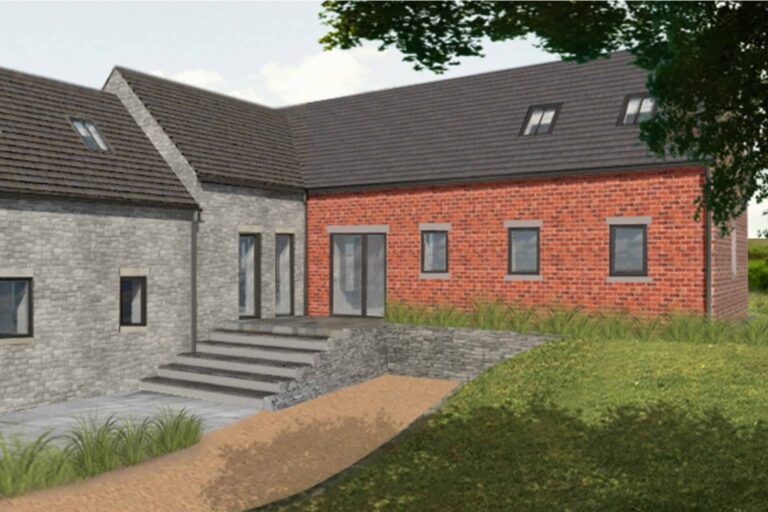
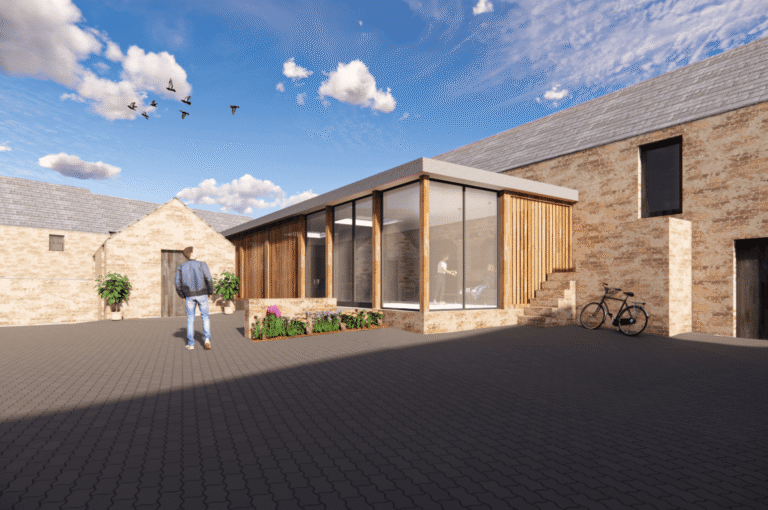
Design support for barn conversions, rural buildings, new rural homes and sensitive adaptation projects.
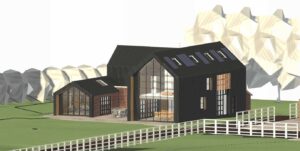
Support where a rural proposal has been refused, delayed or needs a revised planning case.
Good rural projects start by testing the idea properly, understanding which consent route applies and shaping a proposal that is both practical and credible.
Look at the asset
We start by understanding what you own, how it is currently used, and where there may be potential for conversion, diversification, development or a new rural use.
Check the route
We review whether the proposal may fall under permitted development, prior approval, a full planning application, a Certificate of Lawfulness or another consent route.
Test the constraints
We consider countryside policy, access, ecology, heritage, neighbouring uses, occupancy conditions, building condition and site history to understand what may affect the proposal.
Shape the opportunity
We refine the idea into a proposal that responds to the site, supports the business case and has a clearer route through planning.
Build the case
We coordinate the drawings, statements and supporting information needed, whether the route is Class Q prior approval, a planning application, a lawful development certificate or another consent process.
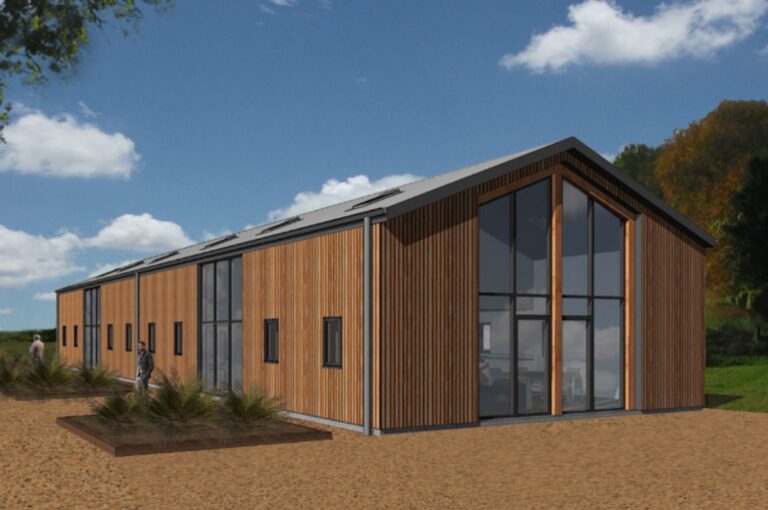
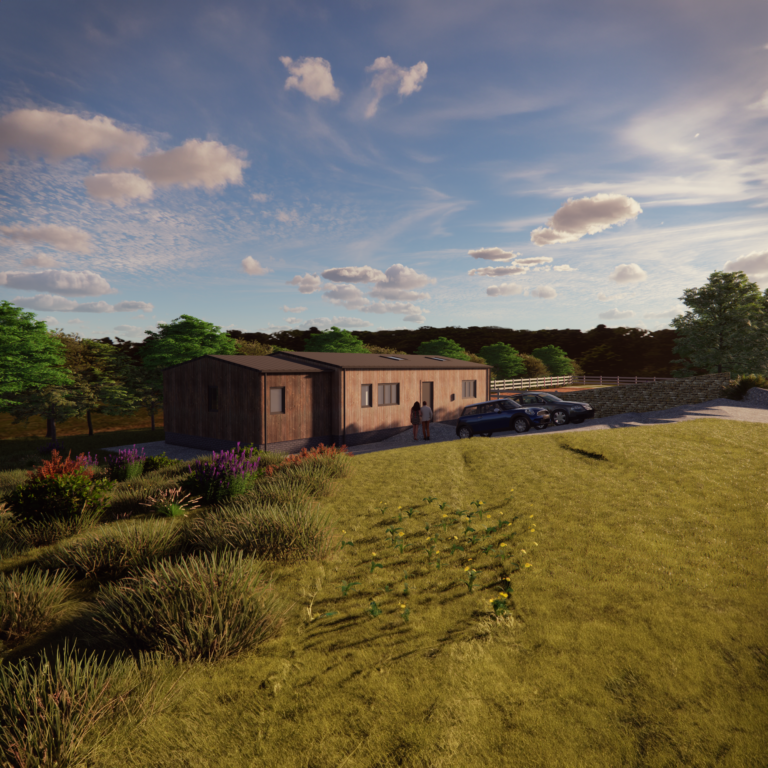
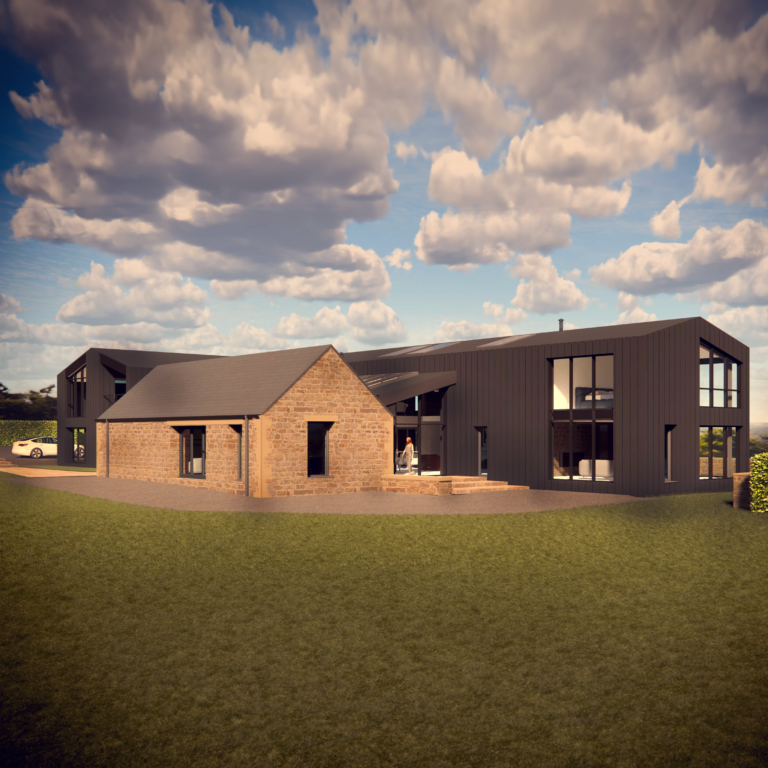
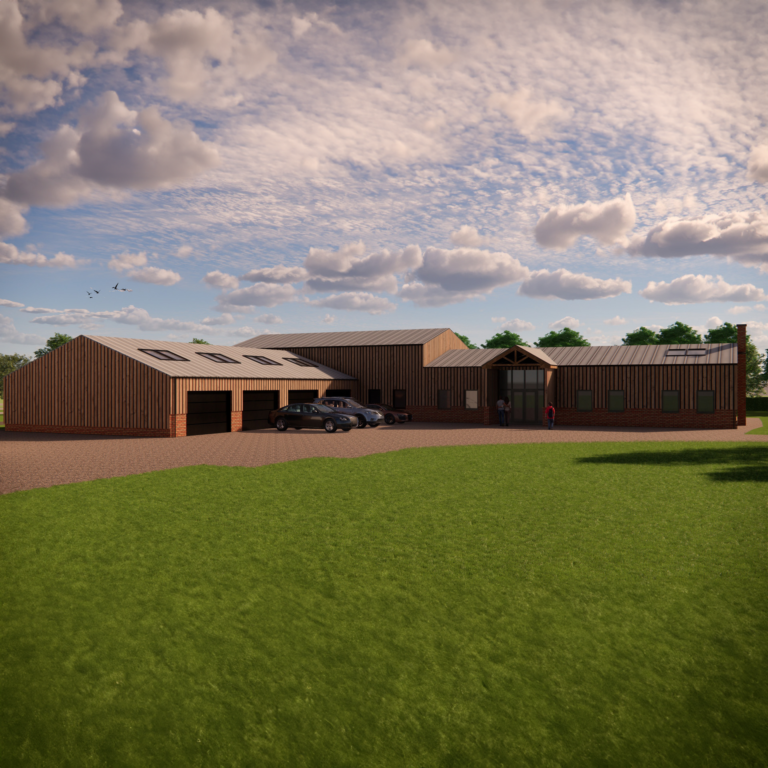
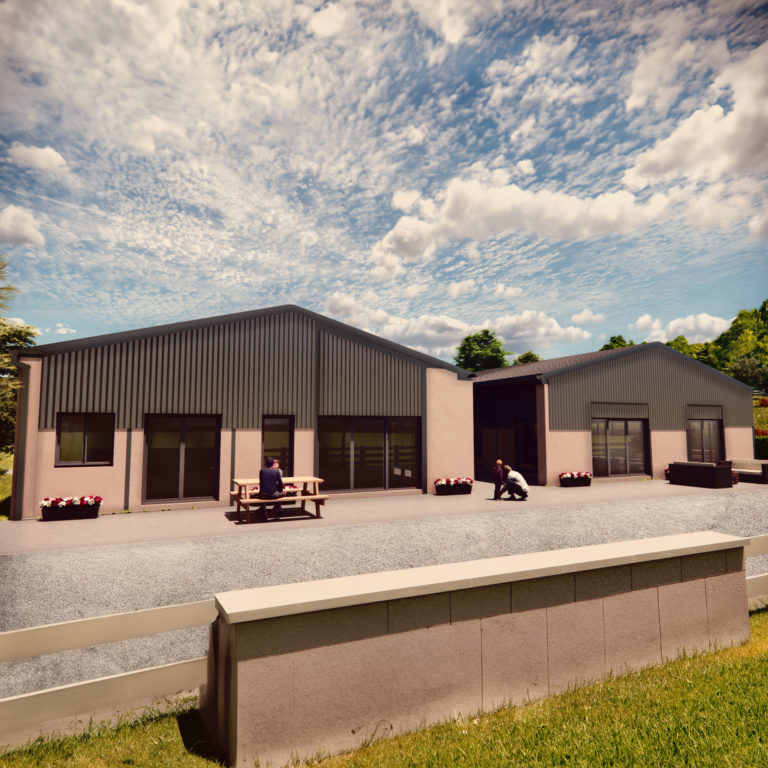
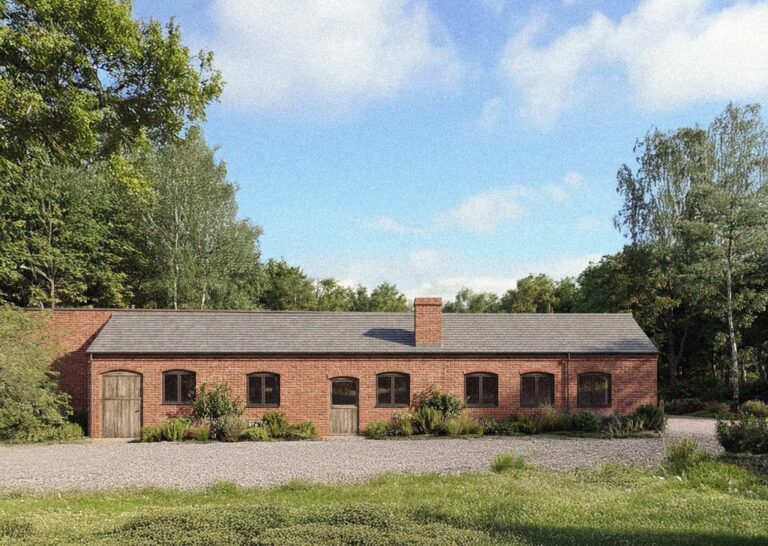
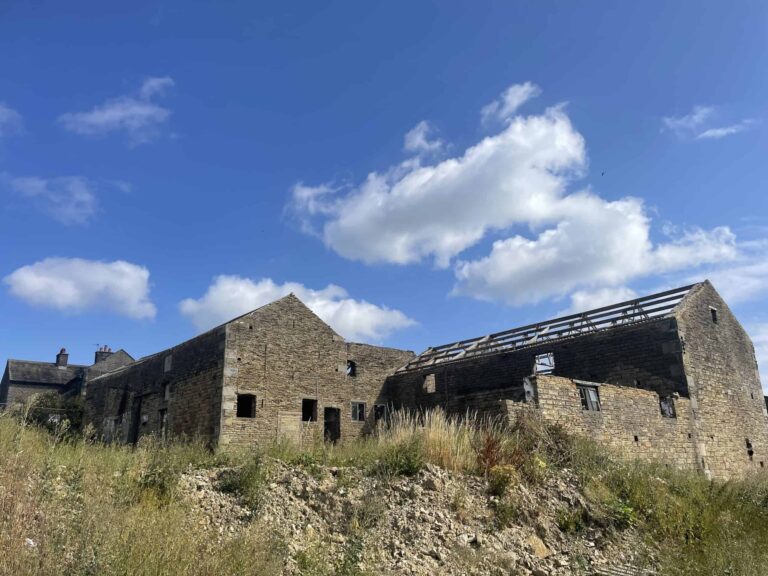
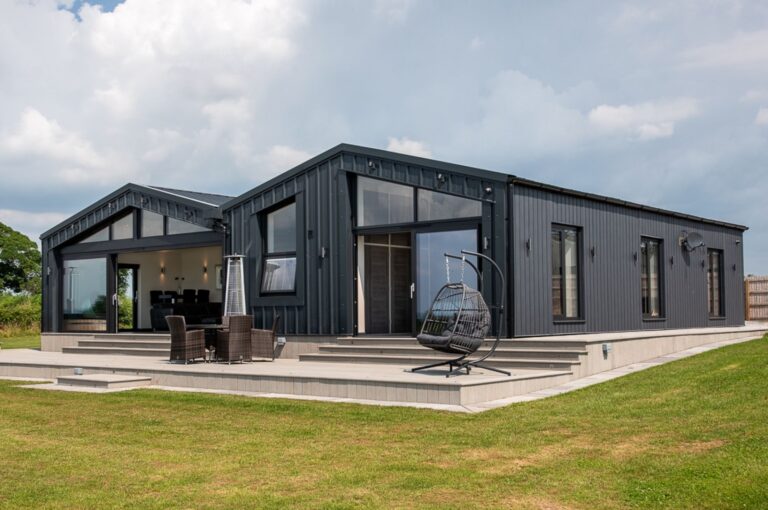
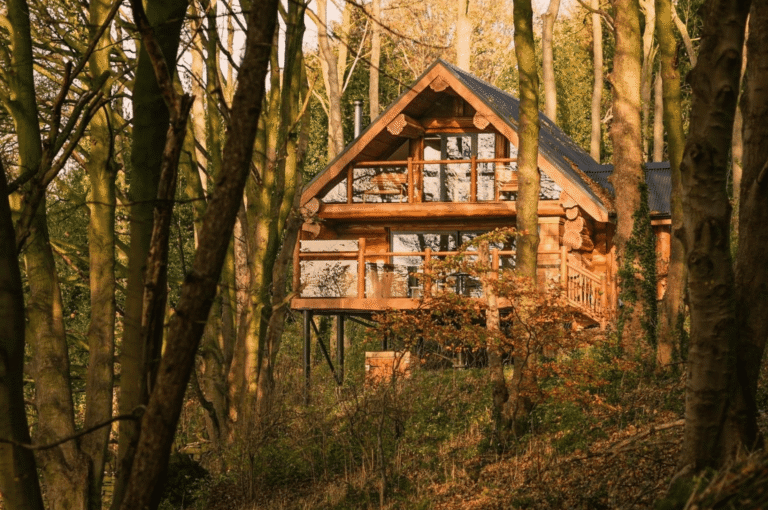
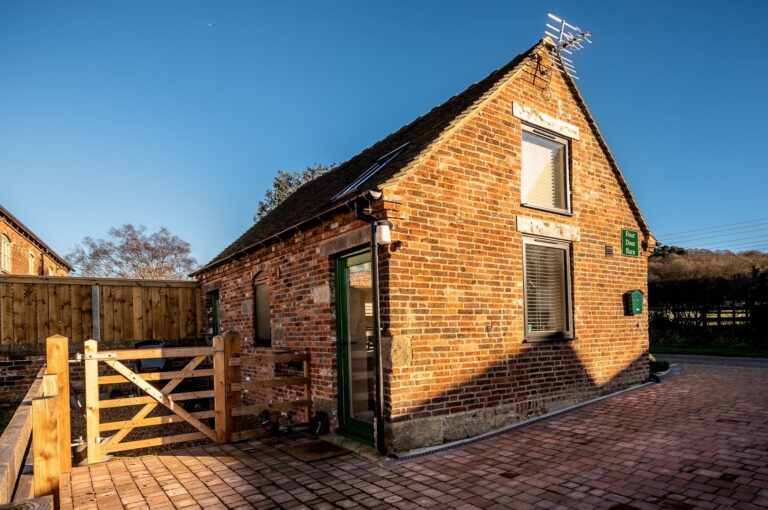
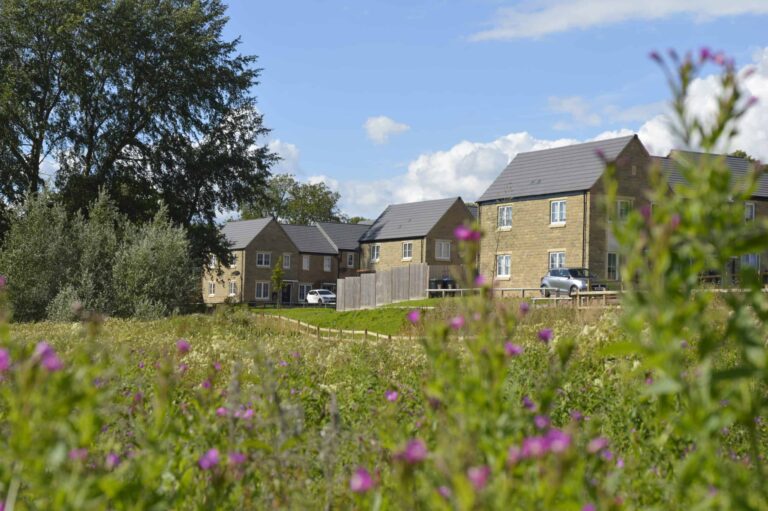
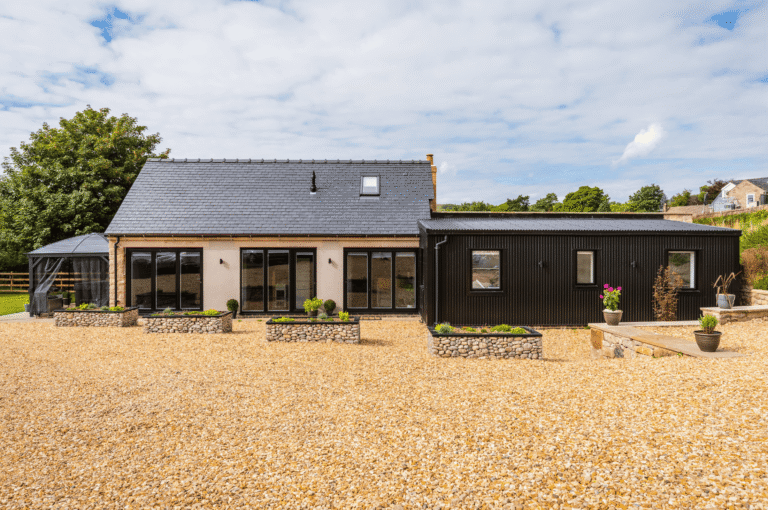
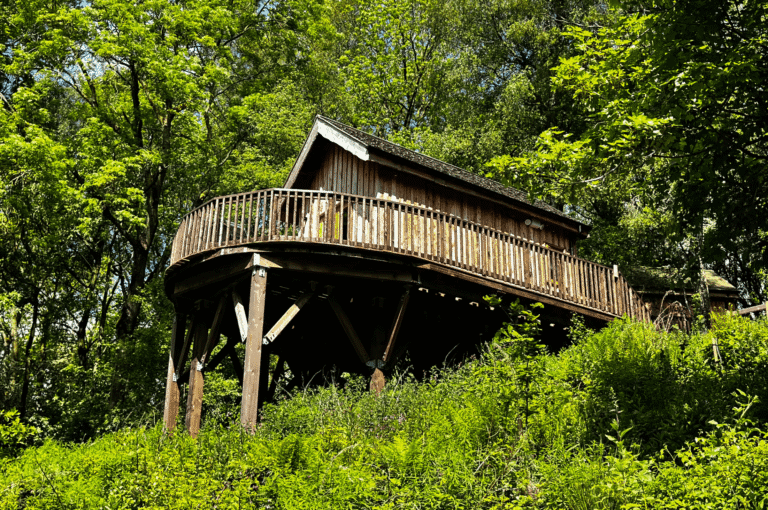
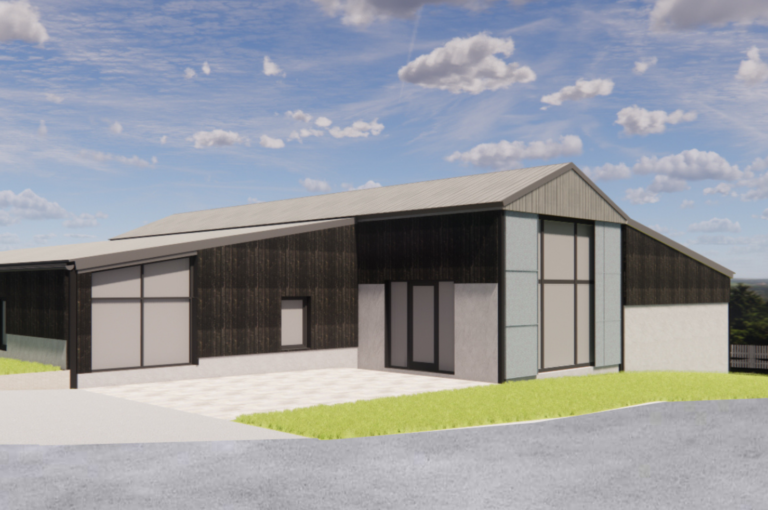
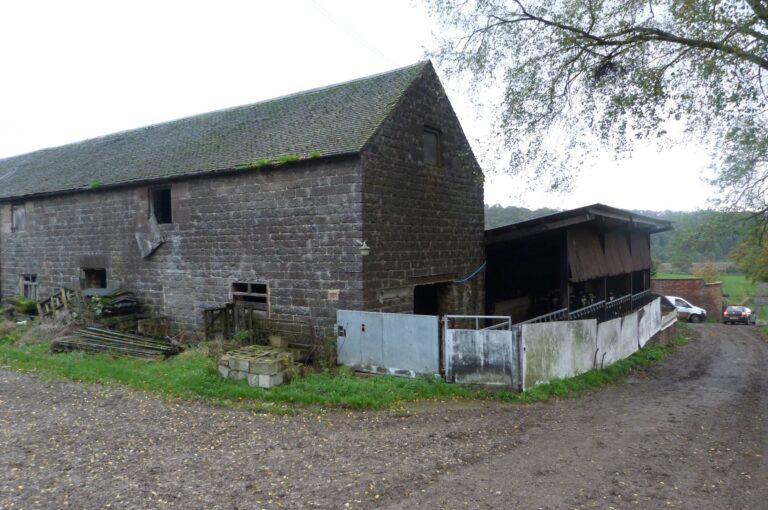
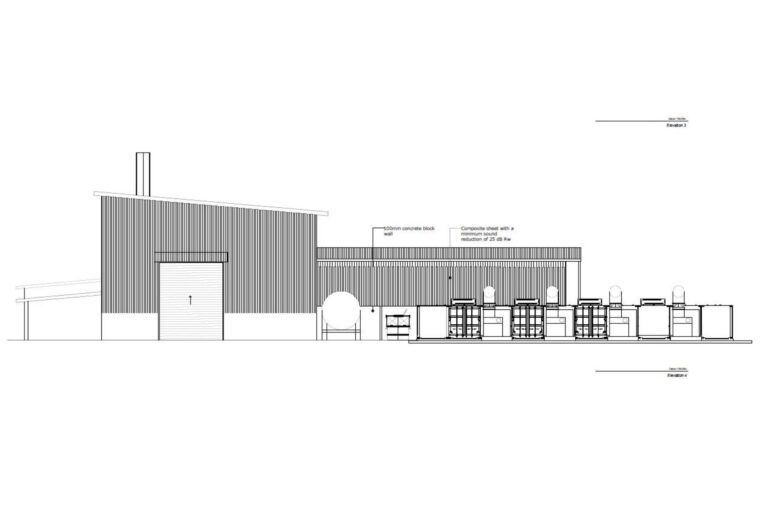
We help landowners explore what may be possible, while staying realistic about policy, constraints and planning risk.
Rural development is often shaped by permitted development rights, prior approval rules, countryside policy and strict planning limitations. We can help you understand how those controls affect your options.
Many rural projects need joined-up thinking, especially where traditional buildings, sensitive settings or landscape impact are involved.
We understand that landowner projects often need to balance long-term value, diversification, income, family objectives and deliverability.
Yes. We can review land, buildings and existing uses to identify potential planning opportunities, constraints and the most realistic routes to explore.
Class Q is a permitted development right that can allow certain agricultural buildings to be converted into dwellings, subject to conditions, restrictions and the prior approval process.
Possibly. The route will depend on the building, its use, location, condition, access and planning context. We can advise whether Class Q, full planning permission or another route may be appropriate.
Yes. Depending on the site and building, there may be options for flexible commercial uses, storage, educational uses, tourism, leisure or other diversification projects.
Yes. We support diversification projects including tourism, leisure, visitor accommodation, rural workspace, commercial uses and new uses for existing buildings.
Yes. We can advise on site suitability, planning requirements, access, landscape, amenity, ecology and the supporting information likely to be needed.
Sensitive sites need careful handling. We can help shape proposals around landscape, heritage, access, countryside policy and local character so the planning case is properly supported.
Ready to explore the potential?
Whether you have a specific idea or want to understand what your land or buildings could support, we can help assess the options and identify a practical route forward.