Opens in a new tab

Planning · Derbyshire

Planning consultants in Derbyshire

Whether you have in mind an extension, a new home, a barn conversion or a larger development, it helps to know early who will decide your application and what they will look for. Wherever your site is in Derbyshire, we can usually tell you that at the start, along with what is realistic and the route most likely to get you there.

Our chartered town planners, architects and heritage specialists work as one team from our offices in Derby and Matlock, so you can bring every part of your project to the same people.

Richard Pigott

Key contact

Richard Pigott

Managing Director – Chartered Town Planner

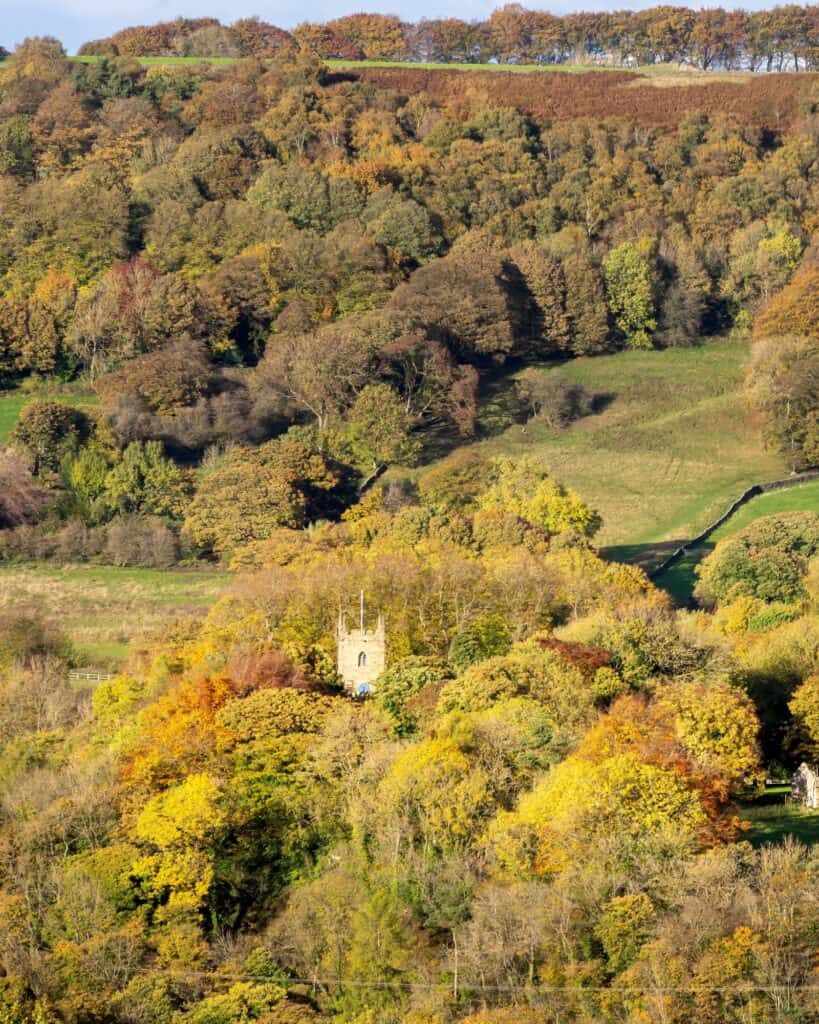
Eyam village and its church tower among autumn woodland in the Derbyshire Dales

How we can help

Planning, design and heritage across Derbyshire

Whatever you are planning, you can bring the whole project to us. Our planners, architects and heritage specialists sit in one team, so you will not need to coordinate separate firms or pass your plans from one adviser to another.

Architecture and design

If you are extending, building a new home or converting a building, our RIBA chartered architects will design it with the planning position in view from the first sketch. You get a scheme that suits the way you want to use it and is shaped around what the Council is likely to support.

Planning applications

We prepare applications of every size, from a householder extension to a major scheme, for the council or authority that will decide yours. You will know what is being submitted and why before anything goes in.

Heritage and listed buildings

If your home or building is listed, lies within a conservation area, or is in or near the World Heritage Site, we will help you make the changes you need while respecting what makes it special. A specialist conservation architect accredited by the RIBA leads our heritage work.

Appeals and enforcement

If an application has been refused or you have received an enforcement notice, our planners can look at the case with you and explain your options. Because we handle appeals in house, you do not have to start again with someone new.

Rural and agricultural

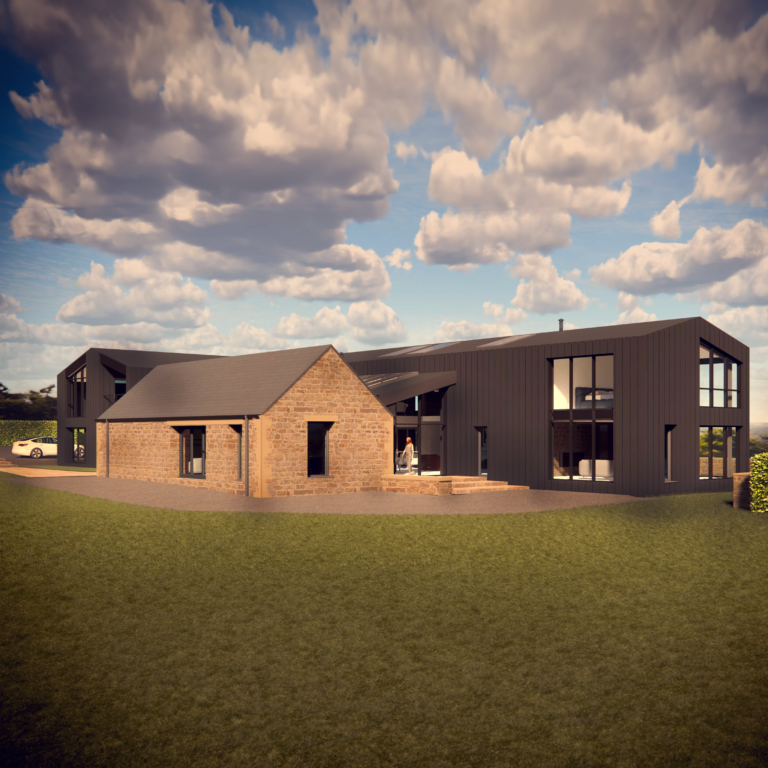
If you farm or own rural land, we can help with barn conversions, Class Q prior approval, homes for rural workers and new uses for farm buildings. We will look at what your land and buildings could support and explain the route that suits them.

Development and land promotion

If you are a landowner, developer or promoter, we can appraise what your site could carry and guide it through the planning process. You will understand your site’s prospects before you spend money on an application.

How we work with you

From first conversation to decision

Your project will find its own pace, and the same steps usually sit underneath it. Here’s what’s typically involved, and you will always know which stage your project has reached.

Step 1

A first conversation

We listen to what you want to achieve, confirm which council or authority will decide your application and give you an early view of whether the idea is realistic.

Step 2

Understanding your site

We look at the planning history, the designations and the policies that apply, then set out your options and the risks of each in plain terms.

Step 3

Preparing the application

We prepare the drawings, statements and any specialist reports your application needs, shaped around what the deciding authority will want to see.

Step 4

Submission and negotiation

We submit the application, keep in touch with the case officer and respond to consultees, and we let you know how things are going at each stage.

Step 5

The decision and what follows

We help you discharge the conditions attached to a permission, and if a decision goes against you, we talk through an appeal or a revised scheme with you.

Local context

Planning in Derbyshire

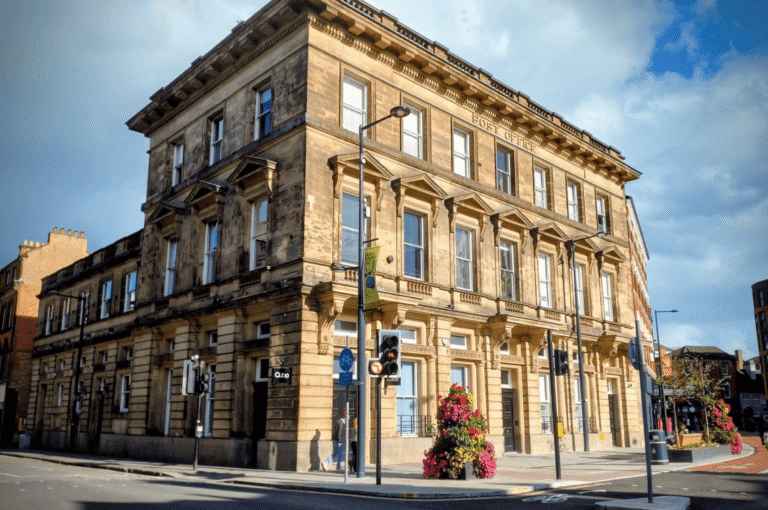
If your project involves an older or listed building, it may help to see what we have done with others like it. The Grade II listed Old Post Office in Derby city centre was brought back into use as offices and a cafe with the planning permission and listed building consent we secured, and the work at CUBO Derby is complete. A historic building can have a good future when its new use suits it, and finding that balance is where we would begin with you.

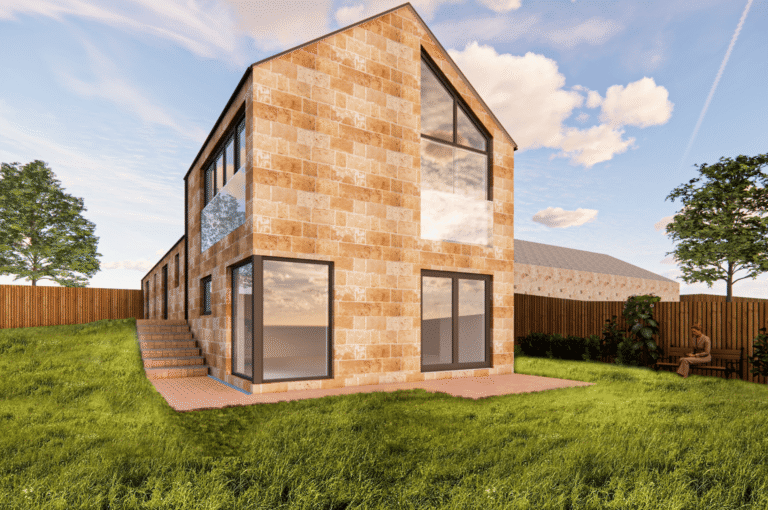
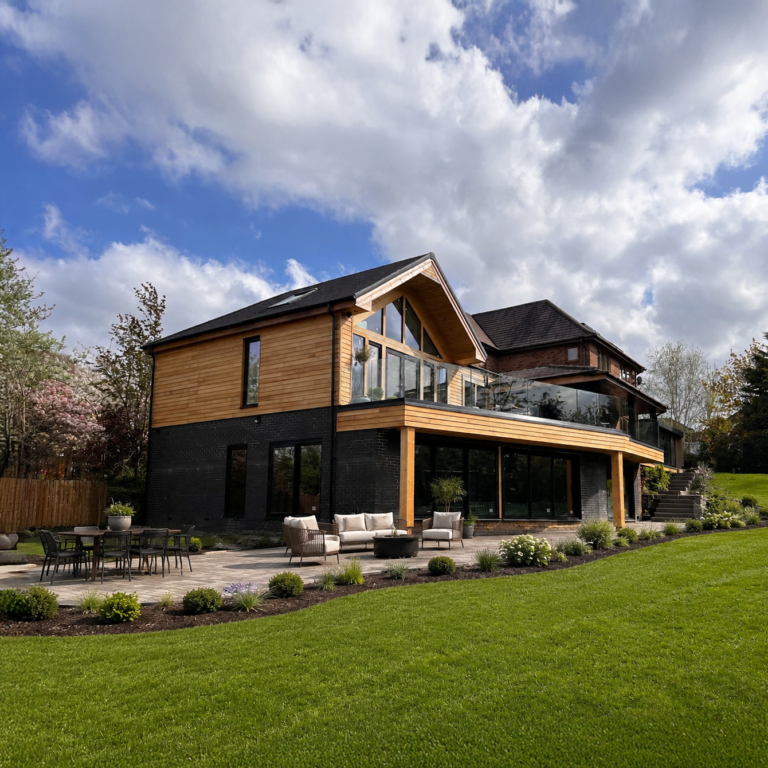
In the Derbyshire Dales we often work in villages and towns with a strong character of their own. We designed a new home in the Kirk Ireton conservation area that was won at appeal, and we provided the architecture for an approved residential scheme on Dale Road in Matlock, also within a conservation area. If your site sits somewhere similar, the design will be judged on how well it belongs there, and that question guides our design from the first sketch.

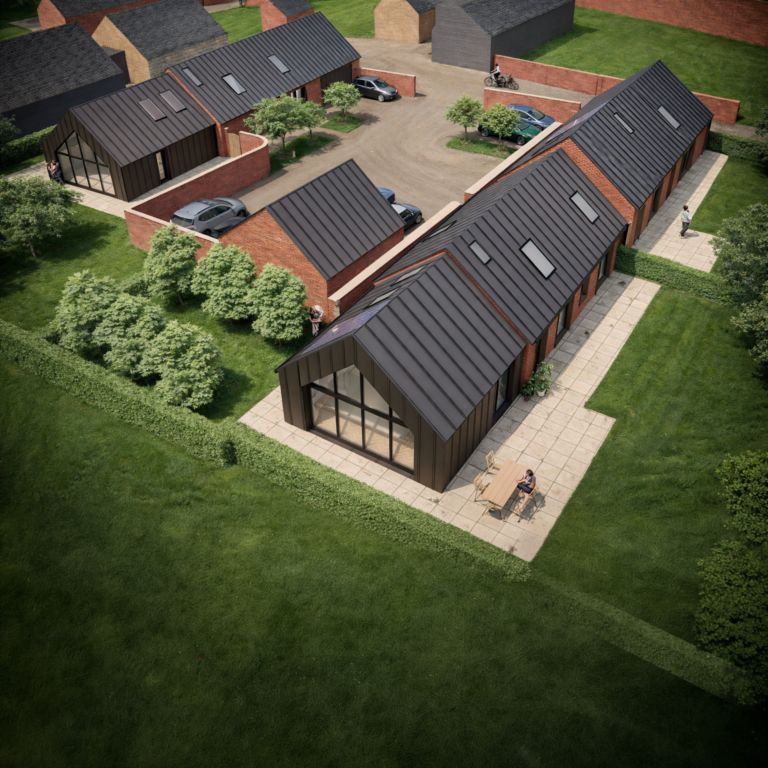
If you own land or farm buildings, you may have more than one route open to you. At Marston Montgomery we designed a Class Q barn conversion that has been completed, and in South Derbyshire our architects and planners worked on a residential development at Etwall that was won at appeal. Before you choose, we will talk you through each route that might suit your land.

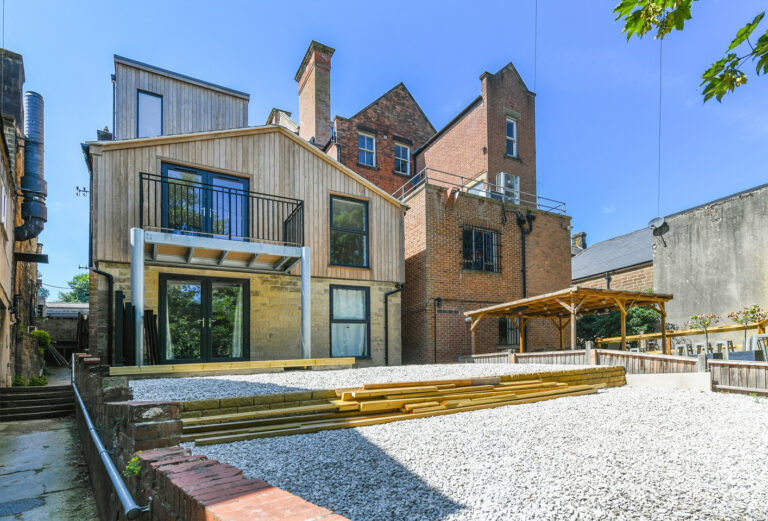
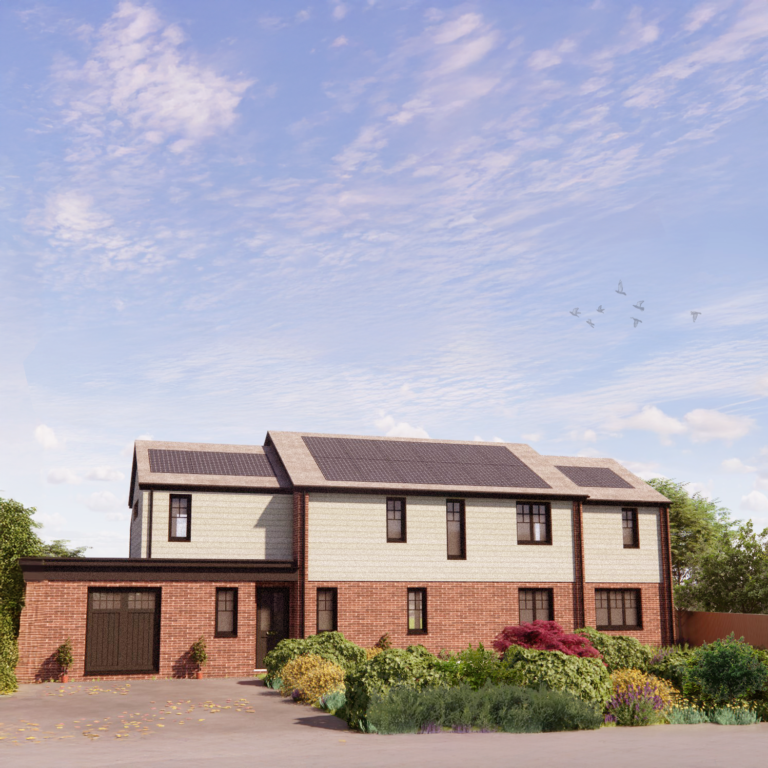
We also work with homeowners, and we give their projects the same care. At Swanwick in Amber Valley, an extension and remodel we designed has since been built. If you are thinking about changes to your own home, we can guide you from the first conversation through the application to the technical drawings, wherever in Derbyshire you live.

The Peak District National Park

If your site is in the north or west of the county, it may fall inside the National Park. There, the National Park Authority decides planning applications and looks closely at how a proposal sits in the landscape. We take that into account from the outset, and we can tell you early how your scheme is likely to be received.

Derwent Valley Mills World Heritage Site

From Derby to Matlock Bath, the World Heritage Site runs along the Derwent valley, taking in mill villages and the landscape around them as well as the mills. If your site is within it or nearby, we look first at what your proposal means for that heritage, so you know what the design needs to respect before it takes shape.

Conservation areas and Article 4 directions

Many Derbyshire towns and villages have conservation areas, and some also have Article 4 directions that bring alterations such as new windows and doors under planning control. These controls shape the materials and detail of your project rather than ruling it out, and we can confirm from your address which ones apply to you.

Green Belt

Green Belt covers the open land between Derby and Nottingham, along with other parts of the county. If your site is in it, the starting point is more restrictive, but some kinds of development are still allowed, and we can advise you at the outset whether your proposal fits one of them.


RIBA

RTPI

IHBC

ARB

Recent work

Our work across Derbyshire

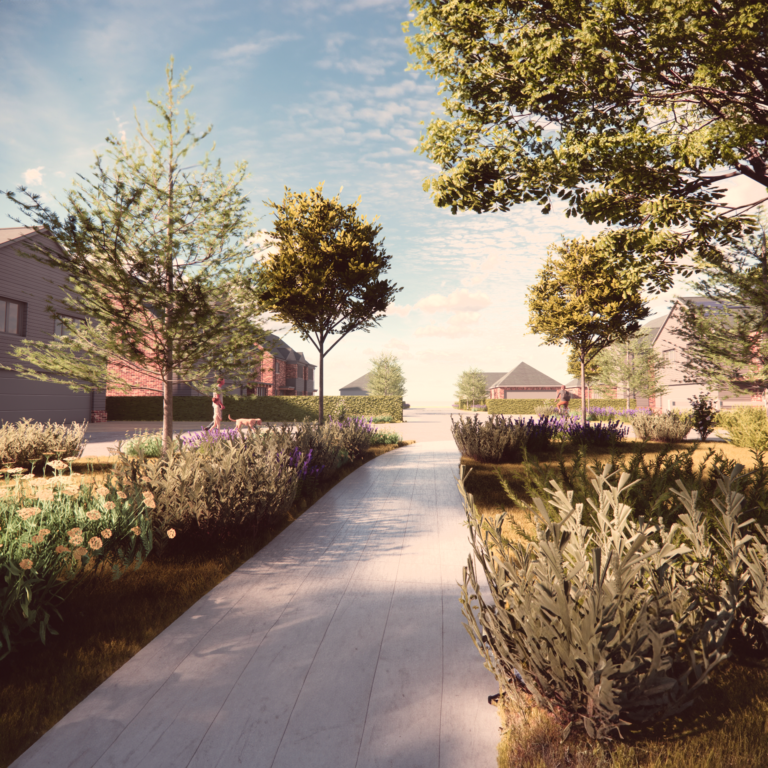
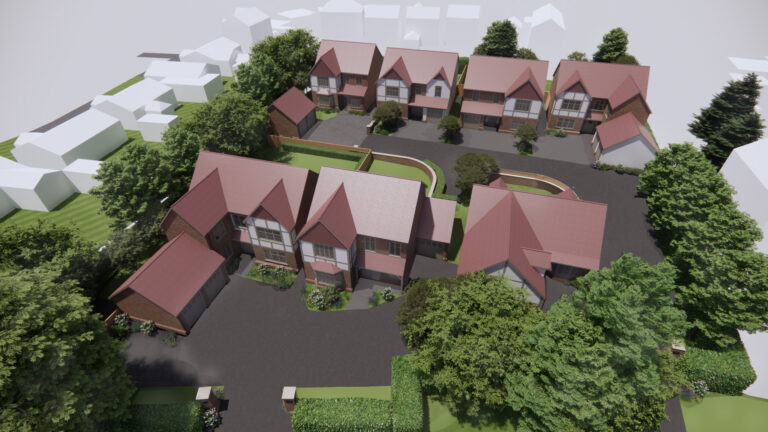
A selection of our schemes across the county, from home extensions and new houses to listed buildings and larger housing sites.

New home - Kirk Ireton

Kirk Ireton

New home – Kirk Ireton

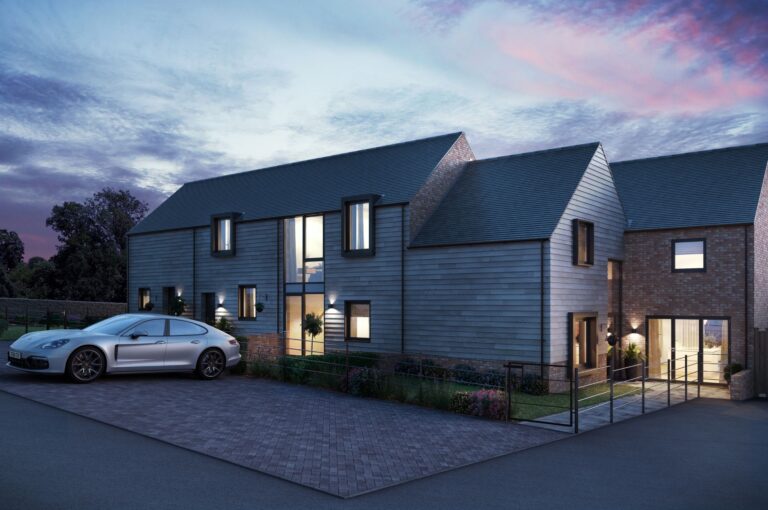
Planning Design secured consent at appeal for a contemporary new house on the edge of the attractive rural village of

Glamping

Wildhive Callow Hall, Derbyshire

Boutique Hotel – Ashbourne

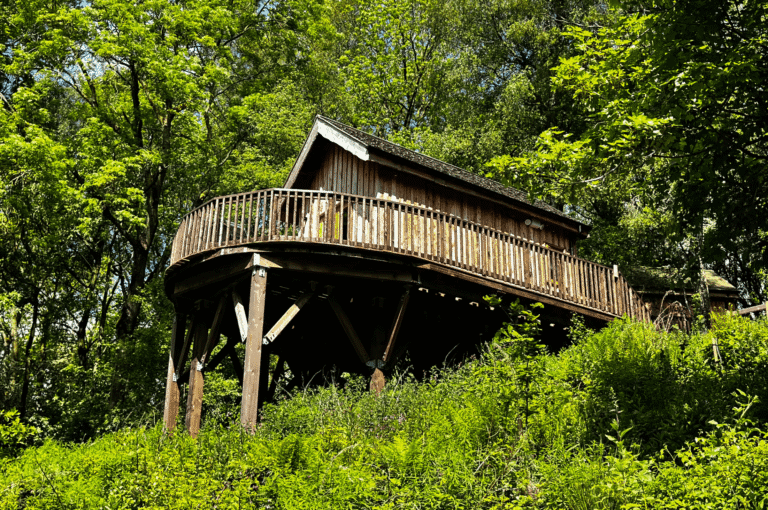
Planning & Design successfully secured planning permission for an exciting new development of 11 ‘Wildhive’ woodland cabins at Callow Hall

Common questions

Planning in Derbyshire, your questions answered

Which council will decide my application?

That depends on where your site is. Derby City Council decides applications inside the city boundary, and elsewhere in the county most applications go to the district or borough council for that area. If your site is within the National Park, the decision rests with the Peak District National Park Authority instead. We can confirm which one is yours from the address.

Do I need planning permission for an extension?

A good many extensions fall within permitted development, so no application is needed, provided they stay within limits on size and position. Those rights are reduced in conservation areas and where an Article 4 direction applies, and a listed building needs listed building consent for works that affect its character. We are happy to check your address and confirm which rules apply to your home before you settle on a design.

How long does a planning decision take?

Councils have eight weeks from validation to decide a householder application and thirteen weeks for a major scheme, and they sometimes agree a longer period with the applicant. The part you can shape is the preparation beforehand, and a complete, carefully prepared submission gives your application the best start.

My application has been refused. What can I do?

You still have options, and the right one depends on the reasons for refusal. You can appeal to the Planning Inspectorate or submit a revised scheme that answers the Council’s concerns, and we will help you weigh up which gives you the better chance. The time limits for an appeal are strict and count from the decision date, so it is worth talking to us early.

What does a planning consultant cost?

Our fees reflect the scale of your project and how much work the case will need. Once we have talked it through with you, we send a written proposal that sets out what each stage includes, so you can decide with everything in front of you.

Do you work outside Derbyshire?

Derbyshire is where much of our work is, and we also work nationwide from our offices in Derby, Matlock and Macclesfield. If your site is further afield, we would still be glad to hear about it.

Find us

Our nearest office

Planning & Design Practice — Derby (Head Office)

3 Woburn House, Vernon Gate, Derby, DE1 1UL

01332 347371enquiries@planningdesign.co.uk

Derby, Derbyshire and the East Midlands

Get started

Could we help with your project?

Is there a project, a site or a building you would like a second opinion on? Let us know the location and your plans for it, and we will tell you which council will decide it and what we think is realistic. You will not be charged for that first conversation.