
Finding out where you stand
Before you spend anything on design, it helps to know exactly where you stand. We check the designations that apply to your property and explain what they mean for your plans.
Conservation areas · Derbyshire
If your home or business is in a conservation area, you may have found that some changes need an application where elsewhere they would not. The designation brings certain work under control rather than ruling it out, and with the right design and materials, the changes you need are usually still possible.
Often from the address alone, we can confirm whether your property is in a conservation area, whether an Article 4 direction applies, and how that affects what you are planning. From there, we help you shape changes that sit comfortably with the character of your street.

Director – Specialist Conservation Architect

Director – Chartered Town Planner
How we can help
Here’s what’s typically needed, in roughly the order you are likely to need it. You can come to us at whichever point you have reached.
Before you spend anything on design, it helps to know exactly where you stand. We check the designations that apply to your property and explain what they mean for your plans.
Your extension or alteration will be judged against the character of the area, so we design it with that character in mind. A well-judged contemporary design can sit as comfortably in a historic street as a carefully detailed traditional one.
We prepare your drawings, a schedule of materials and a heritage statement in proportion to what you propose. Materials and detail are where these applications are most closely examined, so we settle them with you early.
If your application has been refused, or work has been carried out that needed permission, we can talk you through your options. Our planners can take it forward with you, including at appeal.
How we work
The first step usually takes us very little time, and it settles much of the uncertainty for you. Each stage after that builds on what we learn about your property and its surroundings.
Step 1
We confirm whether your property is in a conservation area, whether an Article 4 direction adds further controls, and whether a nearby listed building affects what you can do.
Step 2
We look at what gives your part of the conservation area its character, such as its materials, rooflines, plot patterns and boundaries.
Step 3
We shape your proposals around that character, choosing materials and details deliberately rather than by default.
Step 4
We submit your drawings with a heritage statement and a materials schedule that answer the likely questions in advance.
Step 5
We deal with questions from the case officer as your application goes through, and help you with any conditions on materials that come with the approval.
Local context
If your property sits within a conservation area, it may help to know that we work in them across Derbyshire, from Dales villages to Derby itself. In Brassington, our design for extending a house in the conservation area was approved. If you are hoping to extend, it shows that a home can grow in a historic village when its form and materials are chosen with the village in mind.
New homes and conversions can find their place too. A new home we designed in the Kirk Ireton conservation area was allowed at appeal. At Bolehill, near Wirksworth, we designed a conversion in the conservation area that has since been built. If your plans involve a new building, or a new use for an old one, these show what a considered design can achieve in a protected setting.
Larger schemes follow the same principles. In Matlock, we designed a residential scheme on Dale Road, in the Matlock Bridge conservation area, and it was approved. In Derby, we provided heritage and planning advice on Oaklands, in the Strutt’s Park conservation area. The scheme was won at appeal, and a villa there has since been restored and a new terrace built. If you are planning something larger, the character of the area will shape your layout, scale and materials. We help you take account of it from the first sketch.
Whichever part of Derbyshire you are in, our starting point is the same: we look closely at what gives your street its character. Proposals that grow from that understanding tend to sit well in their surroundings, and they give your application the firmest footing.
In a conservation area, some work that is usually permitted development, such as side extensions, dormer windows and external cladding, needs a planning application. We check what applies to your property first, so you know which parts of your plans need consent before any design work starts.
In some places, including the Belper and Milford conservation area, an Article 4 direction brings further changes under control, so replacing the windows or doors on a house can need permission. We confirm from your address whether a direction applies, and help you choose replacements that suit your building and the area.
Substantial demolition in a conservation area, including some boundary walls and outbuildings, needs planning permission. If your plans involve taking something down, we help you explain why its loss is justified and how what replaces it will contribute to the area.
If your property is near a listed building, or within or close to the Derwent Valley Mills World Heritage Site, the effect of your proposals on that wider setting is considered too. We consider your historic neighbours from the outset, so your design responds to them as well as to the street.
RIBA
RTPI
IHBC
ARB
Conservation area work
Homes and buildings in conservation areas across the county, where the detail of a design matters most.
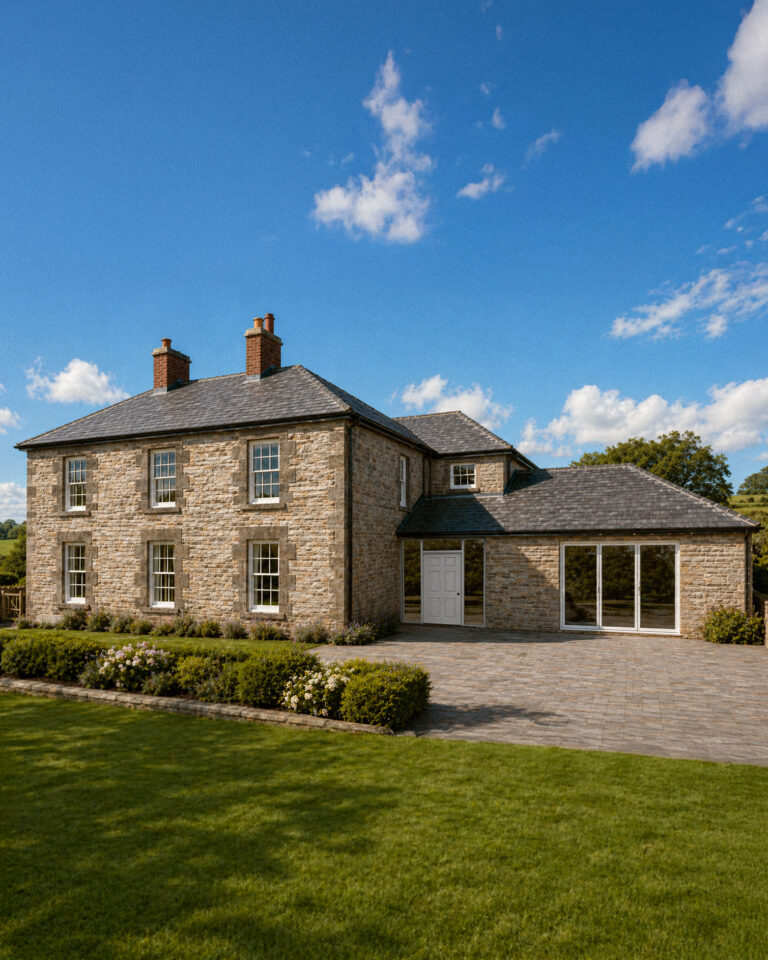
Brassington, Derbyshire
Extension to a Cottage, Brassington, a late 19th century Italian Villa within the Brassington Conservation Area. The brief was to
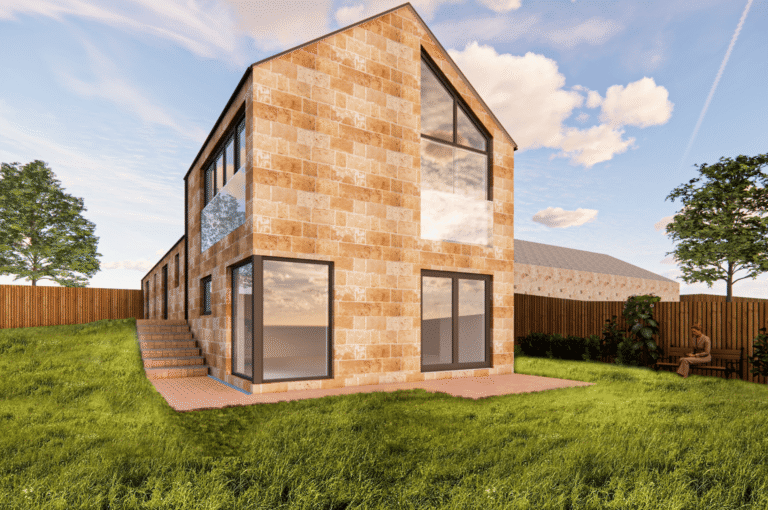
Kirk Ireton
Planning Design secured consent at appeal for a contemporary new house on the edge of the attractive rural village of
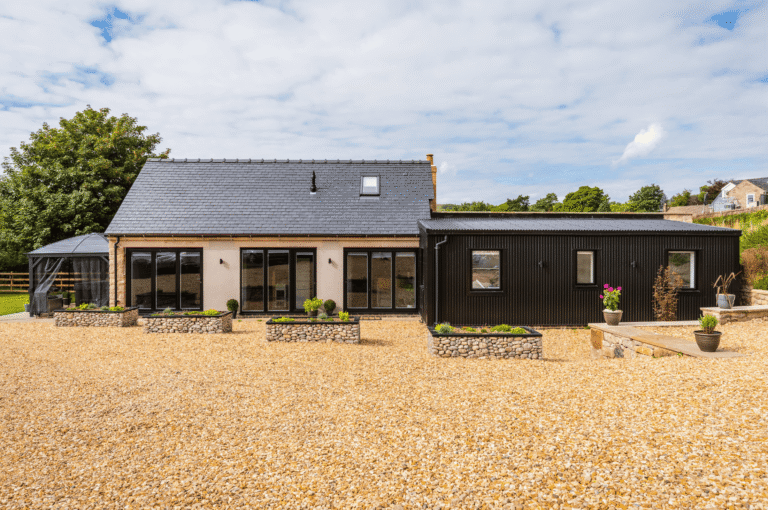
Bolehill, near Wirksworth
This project at Bolehill, a village in the Derbyshire Dales achieved the sensitive conversion of a historic mine building to
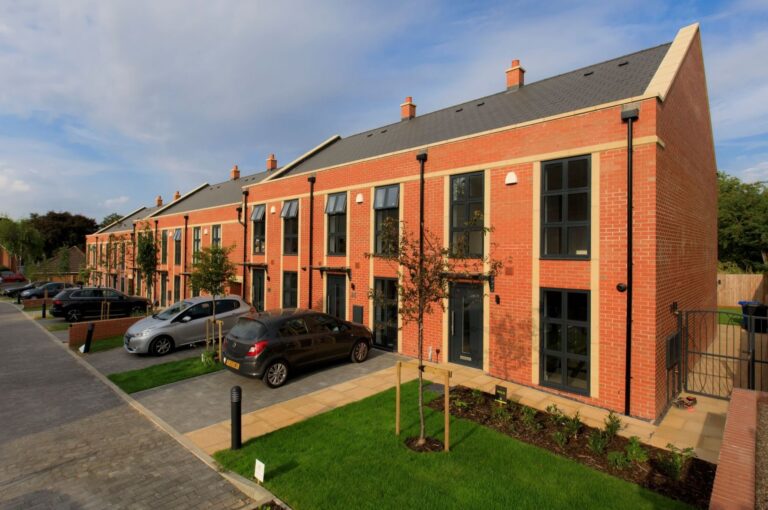
Strutts Park Conservation Area and Derwent Valley Mills World Heritage Site
Planning Design worked with Derby based house builders Meadowview Homes to prepare a sensitive redevelopment scheme for Oaklands, a large
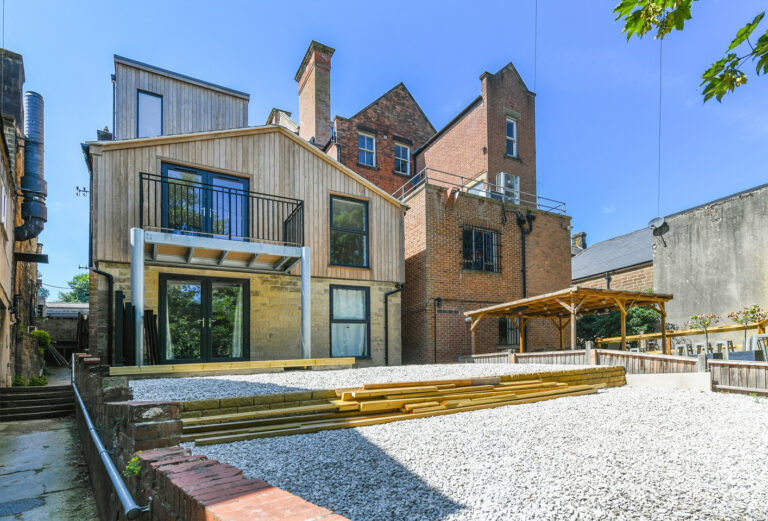
Matlock
This was for the conversion and extension of a property on Dale Road, Matlock, a late 19th century unlisted building
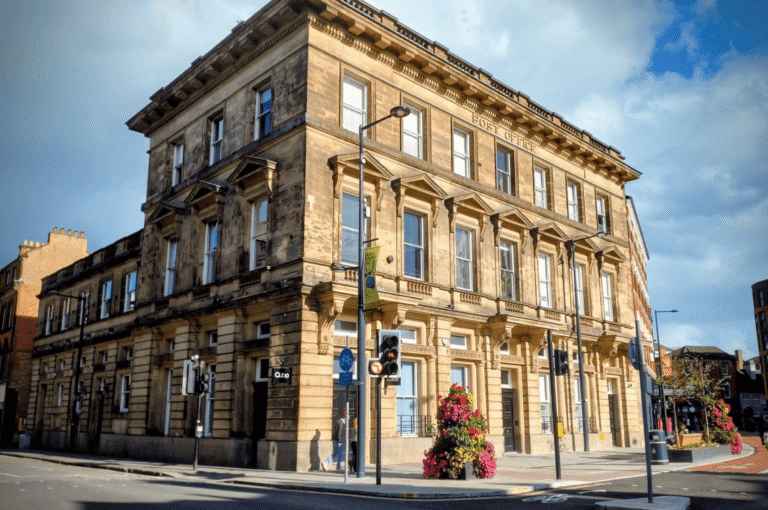
Derby
The redevelopment of the Old Post Office will allow the refurbishment of the upper floors, facilitating the restoration of historical
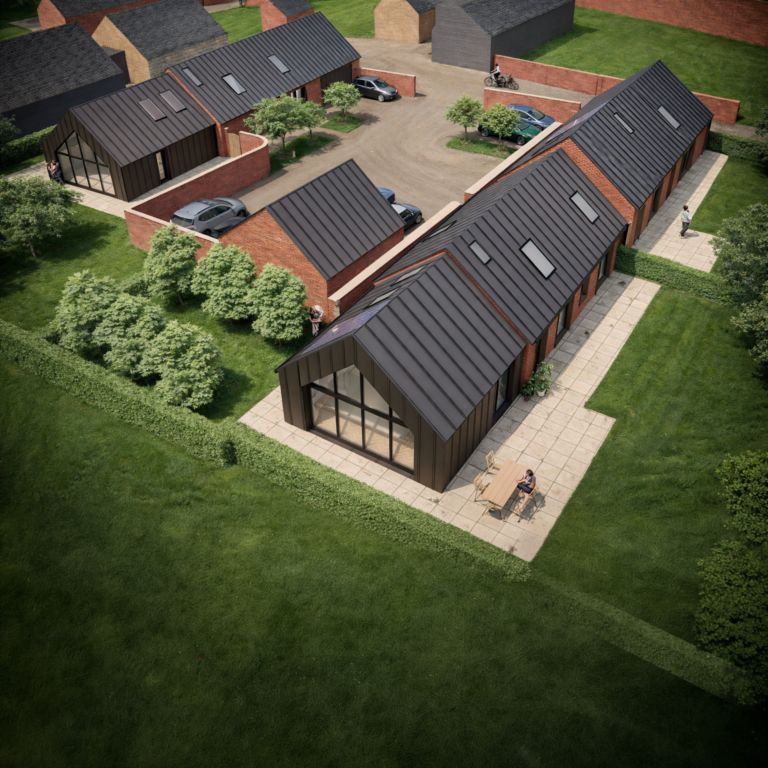
Twyford
This project involves the resubmission of a refined residential scheme at a historic rural farmstead in Twyford.
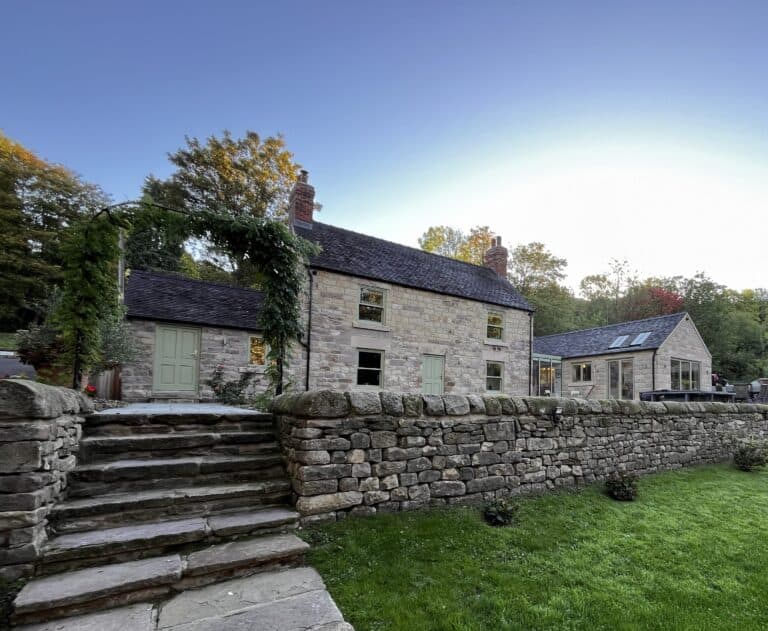
Belper
Planning & Design Practice was commissioned to design and deliver a transformative scheme for a historic riverside property outside Belper.
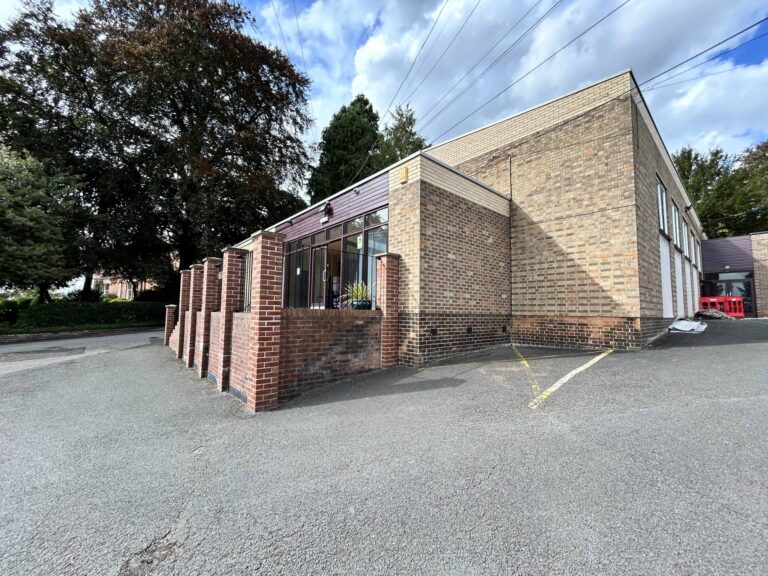
Ockbrook School, Derbyshire
Planning permission granted at Ockbrook School (The Settlement) for sensitive improvements supporting Over the Wall Camp. Planning and heritage expertise
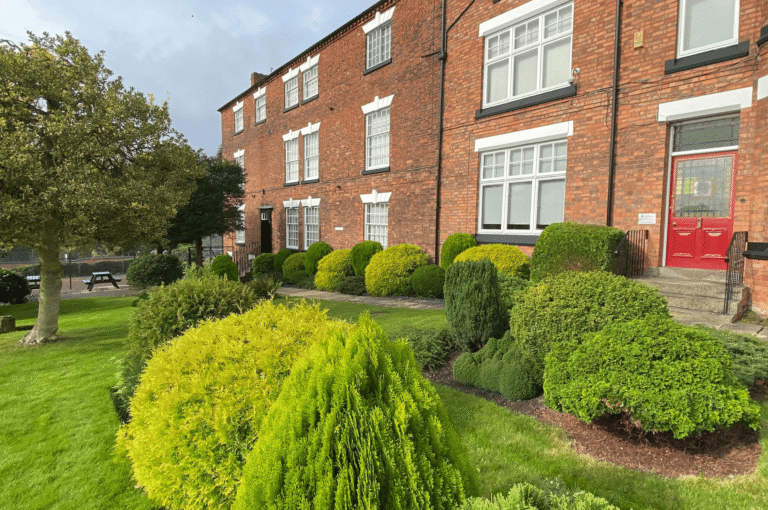
Ockbrook
The Ockbrook Moravian Settlement is an interesting historical site in Derbyshire, and we are pleased to have successfully achieved Listed
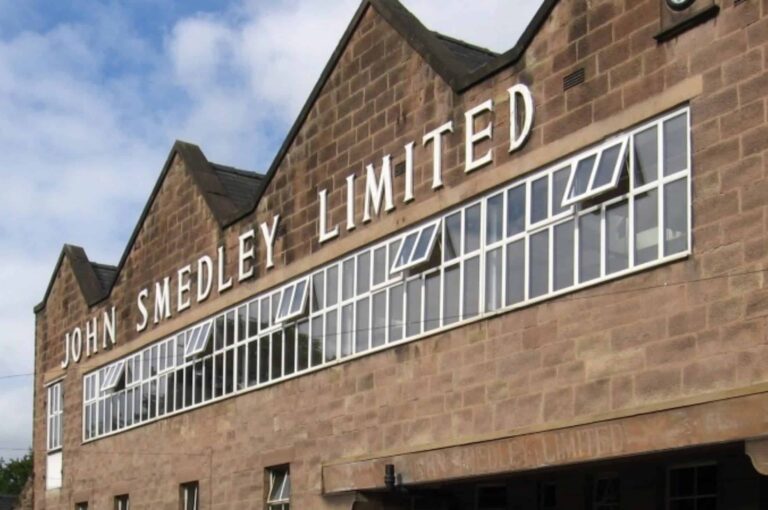
Lea Bridge, Matlock
Planning & Design were instructed as planning consultants to deliver a complex set of proposals for redevelopment, conversion and part
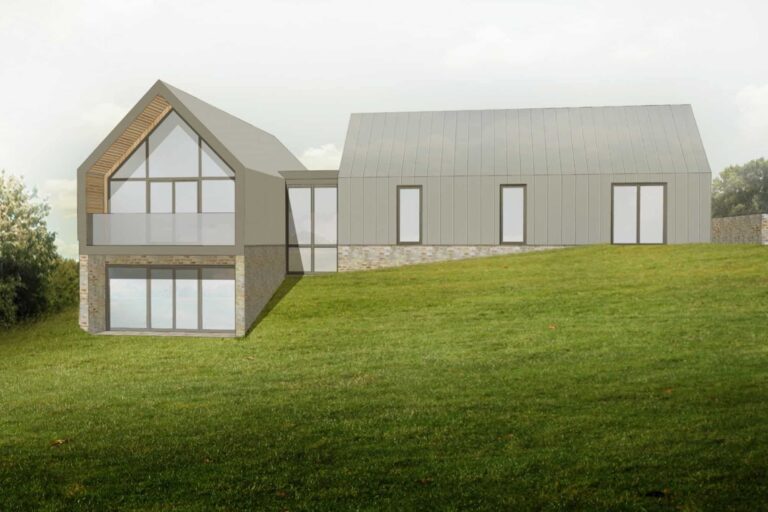
Highfield Farm, Holbrook
We were delighted to receive planning and Listed Building consent for our proposals to redevelop Highfield Farm at Holbrook, on
Common questions
Your council’s website will usually have maps of its conservation areas, although the boundaries are not always easy to read. We are happy to check it for you from the address, along with any Article 4 direction that affects it, which the maps do not always make clear.
In most cases you can, although you are more likely to need a planning application than you would be elsewhere. Extensions are regularly approved in conservation areas when the design and materials are well considered, and we can help you shape yours with that in mind.
It depends on your home and where it is. On a house, replacement windows of similar appearance often need no application. Where an Article 4 direction applies, as in the Belper and Milford conservation area, you may need permission, and a listed building will need listed building consent. We can check your address before you order anything.
A contemporary design can work very well in a conservation area. The council’s test is whether the area’s character or appearance would be preserved or enhanced, and a well-judged modern addition can meet it as fully as a traditional one. We will help you decide which approach suits your building and your street.
Trees in a conservation area are protected, so you need to give the council written notice before cutting down, topping or lopping any but the smallest. The notice gives the council time to decide whether to protect a tree with a Tree Preservation Order. If trees affect your plans, we take them into account from the start.
An application in a conservation area usually needs to explain how your proposal affects the character of the area, and a heritage statement is how that is normally done. We keep it proportionate to your project, so a modest change gets a modest document.
Wider coverage
Find us
Planning & Design Practice — Matlock
Cromford Mills, Mill Road, Cromford, Matlock, DE4 3RQ (confirm exact unit and postcode)
Matlock, the Peak District and Derbyshire Dales
Get started
Is there a property you are unsure about, or a change you have been considering? Share the address with us and we will let you know whether it is in a conservation area, whether any extra controls apply, and how they affect what you would like to do. You will not be asked to pay for that first check.